


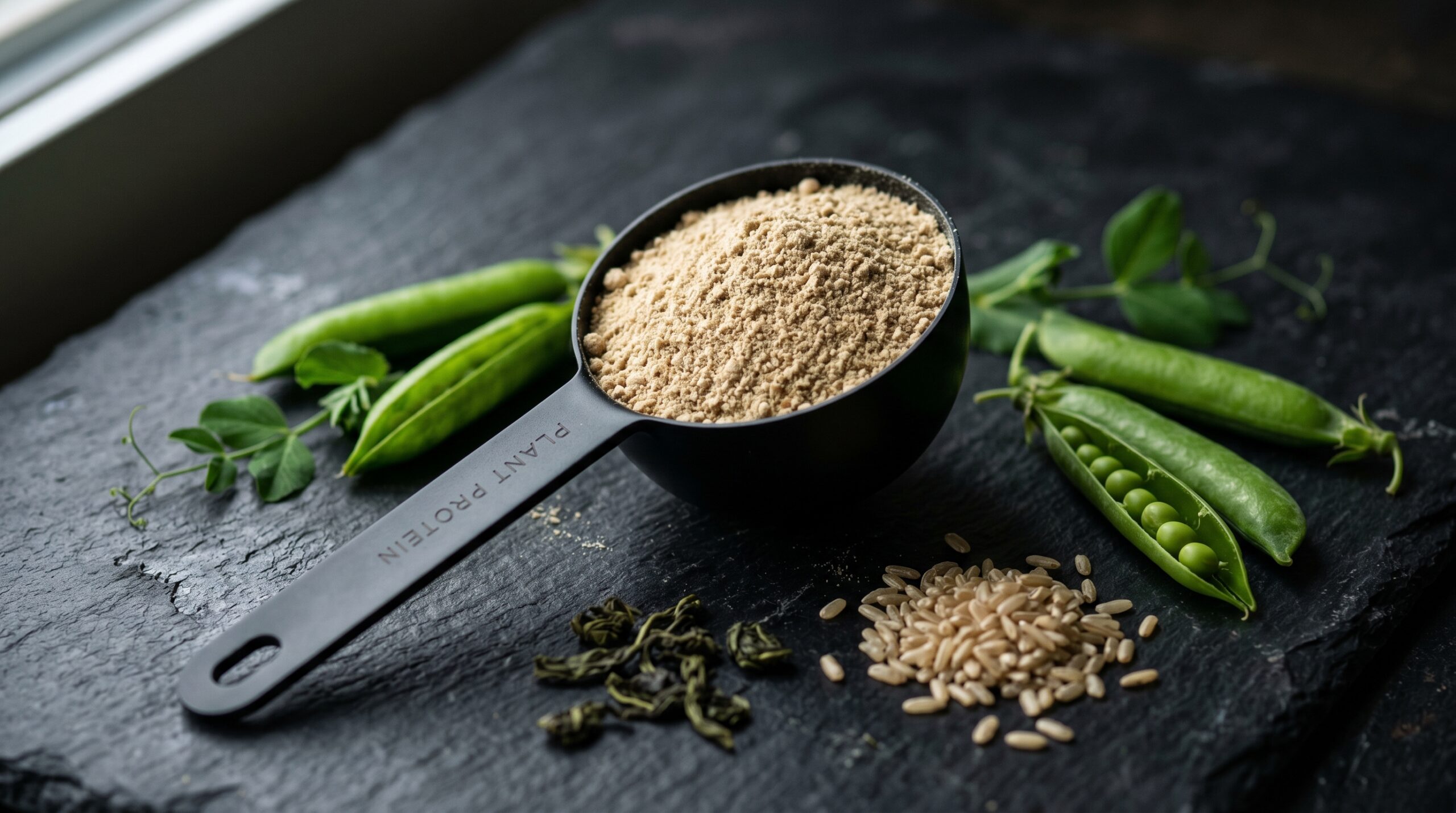
Is soy protein powder good? Or bad?
Plant-based nutrition has evolved far beyond salads and tofu. If you’re a devoted vegan or just a fitness enthusiast looking to add variety to your nutrient intake, you’ve likely encountered soy protein powder.
Soy reigned supreme in the plant-based protein world for years. It was cheap, readily available, and full of amino acids. But as the science of nutrition has evolved, soy has become one of the most controversial supplements on the market, too. Does it really help you build muscle? Is it hormone safe? And, more importantly, is it still the best thing you can buy today?
Let’s dive into the science, clear up the confusion, and figure out exactly how to choose the right supplement for your body and your goals.
What Actually Is Soy Protein Powder?
Soy protein powder comes from soybeans that have had their natural fats and carbs stripped away. The end product is a versatile, high-protein powder you can easily mix into your post-workout shakes, morning oats, or baked goods.
When you’re browsing the supplement aisle, you’ll generally run into two main types:
- Soy Protein Concentrate
This version holds onto some of the bean’s natural dietary fiber and carbs. It usually sits right around 70% protein by weight. - Soy Protein Isolate
This is the highly processed, ultra-purified form. The beans are washed (usually in alcohol or water) to strip out almost all the sugars and fibers. What’s left is a powder that’s about 90% protein. If your main goal is hitting your protein macros without the extra carbs, isolate is usually the go-to.
Amino Acid in Soy Protein Powder: Is It a Complete Protein?
One of the biggest struggles for plant-based eaters is finding genuinely “complete” proteins. To be complete, a protein source has to pack all nine essential amino acids. These are the critical building blocks your body can’t make on its own, so you have to get them from your food.
Unlike a lot of plant sources that fall short on lysine or methionine, soy actually is a complete protein. It has a solid Protein Digestibility Corrected Amino Acid Score (PDCAAS), meaning it’s a legitimate option for tissue repair and keeping your daily biological functions running smoothly.
But here’s the catch:
Completeness is only half the story. Bioavailability (how fast and how effectively your body actually absorbs and uses those amino acids) is where things get really interesting, especially when we start comparing soy to modern protein blends.
Top Benefits of Soy Protein Powder
Let’s look at why people use it in the first place and what it actually does well.
1. Muscle Building & Workout Recovery
Because it delivers all the essential amino acids, soy does a solid job of stimulating muscle protein synthesis (MPS). It packs a decent punch of leucine, which is the main branched-chain amino acid (BCAA) responsible for flipping the switch on muscle repair after a tough gym session. If you are lifting weights, it will help you recover.
2. Heart Health & Cholesterol Management
One of soy’s biggest claims to fame is its impact on your heart. Regular consumption has been linked to small but meaningful drops in LDL (“bad”) cholesterol and triglycerides. If you’re actively trying to manage your heart health, swapping out heavy, high-fat animal proteins for plant-based options like soy can be a smart, proactive move.
3. Weight Management & Satiety
Protein keeps you full, plain and simple. Tossing a scoop of soy protein into your morning smoothie can help crush mid-day hunger pangs, naturally lowering your overall calorie intake for the day and keeping your blood sugar more stable.
Soy vs. Whey vs. Pea + Brown Rice Protein: Which One is The Best for You?
| Feature | Whey Protein | Soy Protein | Pea + Brown Rice Synergy |
| Protein Source | Dairy (Milk-based) | Plant (Soybeans) | Plant (Yellow Peas & Brown Rice) |
| Amino Acid Profile | Complete (Old-school standard) | Complete (Standalone) | Complete & Synergistic (Matches Whey’s muscle-building power) |
| Digestion Speed | Incredibly fast | Moderate | Moderate/Fast |
| Gut Health & Digestion | ❌ High risk of bloating & distress (Lactose) | ❌ Can cause gas and stomach upset | ✅ Highly digestible & gut-friendly |
| Allergens & Side Effects | Dairy allergy, lactose intolerance, acne | Top 8 global allergens, high GMO risk | ✅ Hypoallergenic, Dairy-Free, Soy-Free, Non-GMO |
| The Verdict | Good for traditional bodybuilders without dairy issues. | A decent dairy-free backup, but it comes with baggage. | The Modern Standard. Maximum gains, zero digestive nightmares. |
If you’re stuck deciding between tubs, here’s how soy stacks up against the heavy hitters in the industry.
Soy vs. Whey Protein
Whey is dairy-based and digests incredibly fast. It’s the old-school favorite for bodybuilders. But whey is also infamous for causing bloating, acne breakouts, and severe digestive distress if you’re even slightly sensitive to lactose. Soy gives you a dairy-free way out, even if it doesn’t digest quite as rapidly as whey does.
Soy vs. The Modern Standard (Pea & Brown Rice Synergy)
This is exactly where soy starts losing its crown. While soy is a standalone complete protein, nutritional science has unlocked a far superior hack: blending pea protein isolate with brown rice protein.
Pea protein is loaded with lysine but a bit low in methionine. Brown rice protein is packed with methionine but needs more lysine. When you combine them, pea and brown rice create a synergistic amino acid profile that perfectly matches the muscle-building power of whey—without the common allergens, GMO risks, or digestive nightmares that often come with soy.
The Myth: Does Soy Lower Testosterone?
Let’s talk about the elephant in the weight room. For years, guys have been terrified of this persistent myth:
“Soy has estrogen, so it’s going to tank my testosterone and kill my gains.”
Here is the actual science. Soy contains phytoestrogens, specifically a type called isoflavones. Yes, these are plant compounds that structurally look a bit like human estrogen, but they behave completely differently in your body. They are incredibly weak and absolutely do not have the power to feminize men or crash your testosterone levels.
Massive meta-analyses have shown time and time again that neither whole soy foods nor soy protein supplements mess with testosterone or estrogen levels in men. Your gains are completely safe.
Soy Protein Powder Side Effect
Even though the testosterone myth is busted, soy isn’t perfect. There are very real reasons why a lot of clean-eating advocates and nutritionists are leaving it behind:
- It’s a Top Allergen
Soy sits firmly on the list of the top eight major food allergens worldwide. For sensitive folks, it can trigger severe immune reactions. - Digestive Distress
Even when it’s processed into an isolate, soy can cause serious bloating, gas, and stomach upset if you have a sensitive gut. - The GMO Problem
The overwhelming majority of the world’s soybeans are genetically modified and heavily treated with herbicides. Tracking down genuinely clean, non-GMO, organic soy protein is tough and usually highly expensive. - Antinutrients
Soy naturally contains phytates. These pesky compounds can bind to essential minerals like zinc, iron, and calcium in your digestive tract, blocking your body from fully absorbing them.
How to Choose the Best Protein Powder
If you’re dropping money on a supplement, you have to read the labels carefully. The industry loves to cut corners. Here is exactly what you need to look out for:
- Watch Out for Fillers
Skip any powder that lists maltodextrin high up on the ingredient panel. Maltodextrin is just a cheap, highly processed carb filler that spikes your blood sugar and ruins your gut health. - Insist on Clean Processing
You want proteins that are extracted safely, without the use of harsh chemical solvents like hexane. - Put Gut Health First
If your current shake leaves you feeling bloated and sluggish, it’s time to ditch the dairy and the soy. Look for highly digestible plant proteins that actually support your gut instead of fighting it. - Demand More Than Just Protein
Why settle for basic protein when you can get a full-spectrum wellness supplement? The best modern formulas pack in superfoods, antioxidants, and metabolic boosters all in the exact same scoop.
Sot Protein Powder Alternative
If you want the serious muscle-building benefits of a complete plant protein without the bloating, the allergens, or the GMO worries tied to soy and dairy, it’s time to upgrade your routine.
Say goodbye to the digestive nightmare of whey and the cheap processing of basic soy. Meet Koshnutra Vegan Protein (a combination of pea+brown rice proten)
Vegan Protein
₹1,199.00 Plant-Powered. Clinically Balanced. Gut-Friendly.
A complete plant-based protein crafted for strength, recovery, and daily wellness. Blended with Brown Rice Protein, Pea Protein, Moringa, Grape Seed Extract, Panax Ginseng, Garcinia, Mangosteen, and Green Tea Extract. This formula delivers high-quality amino acids, antioxidants, and natural fibers (without soy, dairy, or maltodextrin).
Key Benefits:
– Builds lean muscle and improves recovery
– Boosts energy and metabolism
– Supports gut health and digestion
– Helps balance hormones and manage weight
– Safe for diabetics, PCOD, and celiac patients
Ingredients:
– Brown Rice isolate protein
– Pea isolate protein
– Coconut milk powder
– Moringa
– Grape seed extract
– Panax Ginseng
– Garcinia
– Mangosteen
– Green Tea Extract
Free from Soya, Dairy & Maltodextrin
Usage: Mix 2 scoops (≈30 g) with 200 ml water or plant-based milk. Consume once or twice daily. Shop Now
Who is Koshnutra?
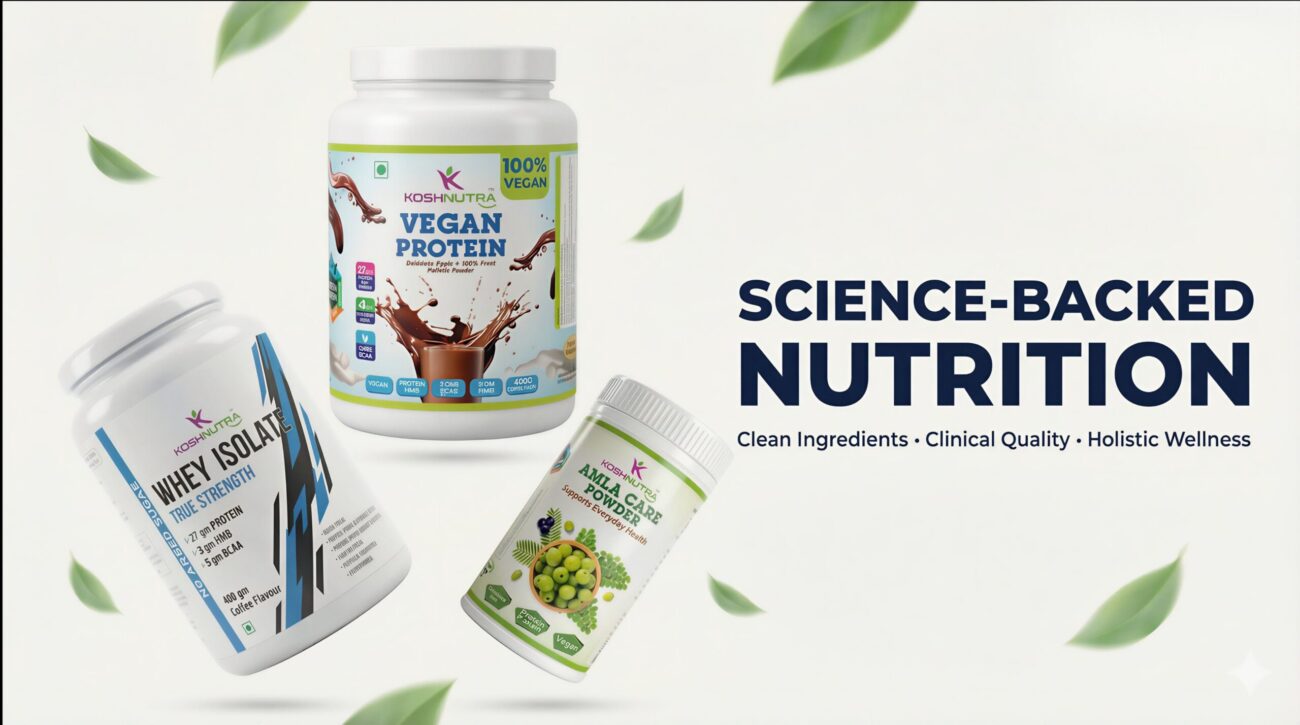
Koshnutra is a premium, clean-label nutrition brand built on a very simple philosophy:
Zero junk. Zero compromises. 100% Clinical efficacy.
We don’t just rely on marketers to build our products. Our blends are meticulously formulated by a licensed nutritionist with over a decade of hands-on clinical experience. For us, it is never just about having a superior ingredient list on the back of the label. It is about the precise synergy of those ingredients and the balanced, life-changing benefits your body actually feels every single day.
We take your safety and results seriously. That is why every batch we produce is proudly FSSAI, WHO GMP, and ISO Certified, guaranteeing the highest global standards of manufacturing and purity.
Through our strict commitment to genuinely clean nutrition, we have successfully helped hundreds of customers reclaim their health. From young adults pushing their fitness limits and seniors maintaining their daily strength, to individuals actively managing complex metabolic conditions like Diabetes and PCOD. Our formulas are clinically balanced to support real people with real health goals.
When you choose Koshnutra, you aren’t just buying another supplement. You are upgrading to a proven, safe, and honest standard of nutrition.
Scientific References
- Hamilton-Reeves, J. M., et al. (2010). “Clinical studies show no effects of soy protein or isoflavones on reproductive hormones in men: results of a meta-analysis.” Fertility and Sterility, 94(3), 997-1007.
- Babault, N., et al. (2015). “Pea proteins oral supplementation promotes muscle thickness gains during resistance training: a double-blind, randomized, Placebo-controlled clinical trial vs. Whey protein.” Journal of the International Society of Sports Nutrition, 12(1), 3.
- Joy, J. M., et al. (2013). “The effects of 8 weeks of whey or rice protein supplementation on body composition and exercise performance.” Nutrition Journal, 12(1), 86.
- Messina, M. (2016). “Soy and Health Update: Evaluation of the Clinical and Epidemiologic Literature.” Nutrients, 8(12), 754.


