


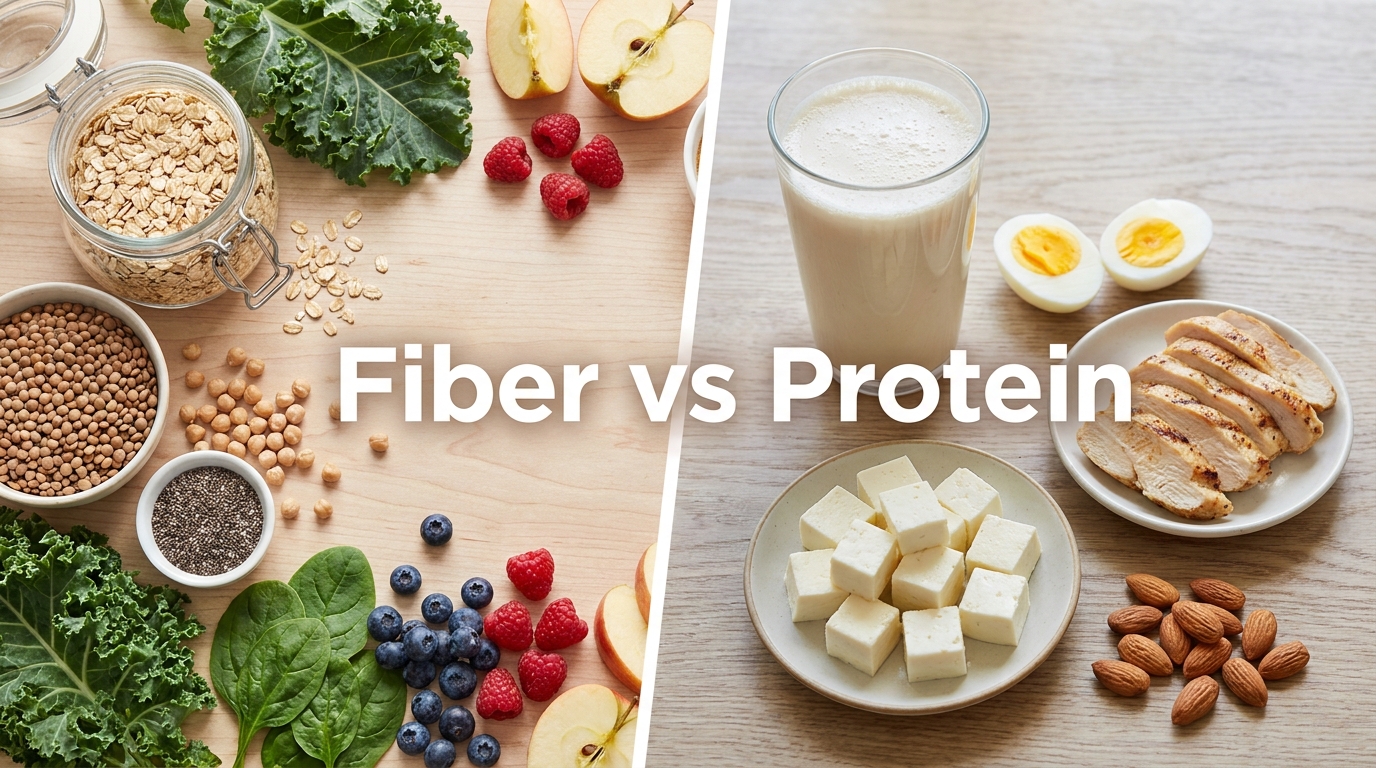
You track your calories, you hit the gym, and you eat clean, yet you still feel bloated, sluggish, or like your body isn’t quite responding the way it should. Sound familiar? The missing piece might not be a new workout plan. It could be two nutrients you’ve been overlooking: dietary fiber and protein.
In the fiber vs protein debate, the honest answer is you need both, but they work very differently. Fiber feeds your gut and keeps digestion smooth. Protein builds muscle, repairs tissue, and supports almost every function in your body. Most people are deficient in at least one.
This guide breaks down what each nutrient actually does, where they differ, how they work together, and which one deserves your attention first.
What Is Dietary Fiber?
Dietary fiber is a non-digestible carbohydrate found exclusively in plant foods. Unlike sugar or starch, your body cannot break it down for energy
Soluble Fiber
Soluble fiber dissolves in water to form a thick gel in your digestive tract. This gel slows digestion, helping you feel full longer and stabilizing blood sugar. It also binds to bile acids in the gut, forcing your liver to use cholesterol to make more bile, effectively lowering LDL cholesterol. Top sources: oats, apples, lentils, psyllium husk, and chia seeds.
Insoluble Fiber
Insoluble fiber does not dissolve. Instead, it adds bulk to your stool and speeds up bowel transit time, preventing constipation. Think of it as a broom for your gut. Top sources: whole wheat, nuts, leafy vegetables, and the skins of most fruits.
What Fiber Does in Your Body
When soluble fiber reaches your colon, gut bacteria ferment it into short-chain fatty acids (SCFAs) compounds like butyrate that directly fuel the cells lining your intestine and regulate immune responses. There’s also a gut-brain connection: approximately 90% of your body’s serotonin is produced in the gut, and a fiber-rich diet supports the microbiome that makes this possible. For a deeper look at which foods best support this process, see our guide on 15 Best Foods to Improve Digestion and Heal Your Gut.
Daily fiber targets: 25g for women and 38g for men (Academy of Nutrition and Dietetics). In India, most people consume well under 20 g/day, a gap that directly contributes to rising rates of constipation, diabetes, and cardiovascular disease.
Research published in The Lancet found that people who eat the most fiber have a 15–30% lower risk of all-cause and cardiovascular mortality compared to those who eat the least.
What Is Protein?
Protein is a macronutrient made of amino acid chains. It is the structural material of your body used to build and repair muscle, produce enzymes, regulate hormones, and support immune function. Unlike fat and carbohydrates, your body has no dedicated storage reserve for protein. You need a consistent daily supply.
Complete vs. Incomplete Proteins
There are 20 amino acids, 9 of which are essential, meaning your body cannot make them, and you must get them from food. Animal proteins (meat, dairy, and eggs) contain all 9 and are called complete proteins. Most plant proteins are incomplete, with the important exceptions of soy and quinoa.
However, combining plant proteins solves this: pea protein is rich in lysine (an amino acid low in grains), while rice protein is rich in methionine (an amino acid low in legumes). Together, they form a complete amino acid profile, which is exactly why pea + rice protein blends are used in quality plant-based supplements.
How Protein Triggers Muscle Growth
The mechanism matters. The amino acid leucine activates the mTOR pathway, your body’s muscle-building switch. Research indicates approximately 2.5–3g of leucine per meal is required to maximally stimulate muscle protein synthesis (MPS). This is why both dose and protein quality matter, not just total grams.
How Much Protein Do You Need?
- 0.8g/kg body weight: sedentary adults (minimum baseline)
- 1.2–1.6g/kg: moderately active individuals
- 1.6–2.0g/kg: athletes and regular gym-goers
- 1.6–2.2g/kg: muscle building or body recomposition goals
- 1.2–1.6g/kg (minimum): adults over 50, to prevent sarcopenia
Signs of protein deficiency:
unexplained muscle loss, poor wound healing, brittle nails, persistent fatigue, and frequent illness. Many Indian vegetarians unknowingly under-consume protein because traditional diets, while fiber-rich, are often low in high-quality protein sources.
Fiber vs. Protein: Head-to-Head Comparison
Both nutrients support weight management and overall health but through completely different mechanisms. Here’s how they compare across what matters most:
| Dimension | Fiber | Protein |
| Primary Function | Feeds gut microbiome and regulates digestion | Builds & repairs muscle, enzymes, and hormones |
| Caloric Value | ~2 kcal/g (negligible) | 4 kcal/g |
| Satiety Effect | High slows gastric emptying | High reduces ghrelin, increases PYY |
| Weight Loss | Excellent, it reduces caloric absorption passively | Excellent preserves lean mass in deficit |
| Muscle Building | Indirect (gut health supports absorption) | Direct primary driver via MPS and mTOR |
| Gut Health | The primary benefit feeds good bacteria | Indirect (high protein without fiber = constipation risk) |
| Blood Sugar Control | Excellent slows glucose absorption | Moderate protein can mildly raise insulin |
| Aging & Sarcopenia | Supports mobility via gut health | Critical prevents muscle loss after 40 |
Fiber and protein are not competing. They serve different primary roles. Deficiency in either one creates a gap in your health
How Fiber and Protein Work Together
This is where most nutrition content falls short: fiber and protein don’t just coexist.
Fiber slows protein absorption: When eaten together, fiber creates a slower, steadier release of amino acids into your bloodstream. This sustained delivery is better for muscle protein synthesis and keeps you fuller for longer.
High protein without fiber causes gut problems: Protein metabolism produces nitrogen waste. Without enough fiber to accelerate bowel transit, this waste sits in your colon longer — contributing to bloating, constipation, and potentially disrupting your gut microbiome.
Anti-nutritional factors in plant proteins: Plants like legumes contain phytates and lectins that can reduce protein bioavailability. Simple preparation methods — soaking, sprouting, and thorough cooking — significantly reduce these compounds.
Foods Naturally High in Both Protein and Fiber:
| Food | Protein | Fiber |
| Lentils (180g cooked) | 15.6g | 15.6g |
| Edamame (155g) | 18.4g | 8g |
| Chickpeas (164g) | 14.5g | 12.5g |
| Black Beans (172g) | 15.2g | 15g |
| Tempeh (84g) | 15.4g | 1.4g |
| Hemp Seeds (30g) | 9.5g | 1.2g |
For Indian households: dal (lentils), rajma (kidney beans), and chana (chickpeas) are natural powerhouses of both fiber and protein — and deeply embedded in everyday cooking. The key is portion sizing and pairing them with complete grains. Explore our full guide to gut-friendly foods →
Which Should You Prioritize? A Goal-Based Guide
Your goal determines where to focus. Here is a direct, no-guesswork breakdown:
| Your Goal | Prioritize | Why |
| Lose weight | Fiber first | Increases satiety, reduces caloric absorption passively |
| Build muscle/gym performance | Protein first | MPS requires an adequate amino acid supply, especially leucine |
| Improve gut health/bloating | Fiber first | Feeds beneficial bacteria, reduces dysbiosis and inflammation |
| Healthy aging (50+) | Protein first | Prevents sarcopenia; fiber supports bowel regularity |
| Control blood sugar/diabetes | Fiber first | Slows glucose spike; improves insulin sensitivity |
| Post-workout recovery | Protein first | Amino acids repair muscle micro-tears within 30–60 min |
| General everyday wellness | Both equally | Meet both daily targets as your non-negotiable baseline |
Fiber and Protein Needs by Life Stage and Lifestyle
Athletes and Gym-Goers
Aim for 1.6–2.0g protein/kg body weight. Time your fiber intake carefully: avoid high-fiber foods 1–2 hours before training — fiber slows digestion and can cause GI distress during exercise. Post-workout is when protein absorption matters most; pair it with minimal fiber for faster delivery. If you’re serious about training, Dietitian Sheetal’s Sports Nutrition program offers personalized guidance on macros and meal timing.
Vegetarians and Vegans
A vegetarian diet is naturally fiber-rich — but plant-based protein requires deliberate strategy. Most Indian vegetarian diets rely heavily on dal and vegetables, which are excellent for fiber but can fall short on complete protein. Focus on protein blending: pair pea protein (high in lysine) with rice protein (high in methionine) to create a complete amino acid profile. For those navigating weight loss on a plant-based diet, a dietitian can tailor targets to your specific needs.
Adults Over 50
Sarcopenia — the gradual loss of muscle mass — begins in your 40s and accelerates after 50. Research shows adults over 50 need at least 1.2g protein/kg per day, and many require more. Fiber simultaneously becomes critical for bowel regularity, cholesterol management, and supporting a diverse gut microbiome that declines with age. See our guide on the best foods for healthy aging and digestion for practical food combinations.
People with IBS or IBD
Soluble fiber (oats, psyllium, cooked vegetables) is generally well-tolerated in IBS. Insoluble fiber (raw vegetables, bran) may worsen symptoms during flares. Protein sources matter too: whey protein can be problematic for lactose-sensitive individuals; plant-based protein without soy or gluten is often the safer choice.
Diabetic Patients
Fiber is the single most diet-accessible tool for blood sugar management. Soluble fiber slows glucose absorption, blunts insulin spikes, and improves insulin sensitivity over time. For a full, evidence-based food list, read our article on the best foods for diabetics. If you’re looking for expert guidance, Dietitian Sheetal’s Diabetic Diet program is specifically tailored to Indian patients managing type 2 diabetes through food-first strategies.
Getting Enough Protein (Without the Junk): Koshnutra’s Clean Protein Solutions
Meeting your daily protein target through whole foods alone is genuinely difficult — especially for busy professionals, athletes, vegetarians, or anyone managing a health condition. A well-formulated supplement isn’t a shortcut; it’s a practical tool. Koshnutra’s full product range is available at koshnutra.com/shop.
Koshnutra Vegan Protein — Plant-Based Power for Everyday Nutrition
Most plant protein supplements solve one problem and create another: they give you protein but ignore digestion. Koshnutra Vegan Protein is built around the fiber-protein synergy described in this article.
| Feature | Koshnutra Vegan Protein |
| Protein Sources | Pea Protein Isolate + Brown Rice Protein — complete amino acid profile |
| Fiber Ingredients | Guar Gum + Fenugreek Fiber (soluble fibers satiety and gut regularity) |
| Added Superfoods | Moringa, Grape Seed Extract, Garcinia, Green Tea Extract |
| Digestive Support | Digestive Enzyme Blend enhances plant protein bioavailability |
| Ideal For | Vegetarians, Vegans, IBS, IBD, Celiac Disease, Thyroid conditions |
| Key Certifications | 100% Vegan | Soy-Free | Gluten-Free | Non-GMO | Maltodextrin-Free |
| Flavor | Chocolate Hazelnut |
The pea + rice combination solves the classic plant protein problem: pea protein is high in lysine (low in grains), while rice protein is high in methionine (low in legumes). Together, they form a complete amino acid profile comparable to whey. The digestive enzyme blend ensures your body actually absorbs what you’re consuming. One of the added superfoods, Moringa, deserves a special mention. Read more about Moringa’s science-backed benefits in our dedicated guide.
For anyone with thyroid conditions —conditions that make protein choices genuinely complicated Koshnutra Vegan Protein is soy-free, gluten-free, and enzyme-supported. If you also want personalized dietary guidance for thyroid health, Dietitian Sheetal’s Thyroid Disorder program pairs well with the right supplement protocol.
Koshnutra Whey Isolate: High-Quality Protein for Muscle and Metabolic Health
If you’re training seriously, managing diabetes, navigating menopause, or over 50 and fighting muscle loss — this is where standard whey protein stops, and Koshnutra Whey Isolate True Strength starts.
| Feature | Koshnutra Whey Isolate True Strength |
| Protein per Serving | 27g High-Purity Whey Isolate (fast-absorbing) |
| Muscle Protection | 3g HMB (beta-hydroxy beta-methylbutyrate) — clinically shown to prevent muscle breakdown |
| Muscle Building | 5g BCAAs, including extra Leucine, directly activates mTOR pathway |
| Metabolic Support | Chromium for blood sugar regulation | Omega-3 Fatty Acids for inflammation |
| Fiber Ingredient | Inulin (prebiotic soluble fiber) — gut health alongside high protein intake |
| Ideal For | Athletes, Gym-Goers, Diabetic Patients, Menopausal Women, Adults 50+ |
| Key Certifications | No Added Sugar | Maltodextrin-Free | Keto-Friendly | HMB Anti-Catabolism |
| Flavor | Coffee easy to integrate into your morning routine |
HMB (3g per serving) is the standout ingredient here. Most whey products don’t include it. HMB has been clinically studied to reduce muscle breakdown during intense training and during age-related muscle loss. The Chromium included specifically for blood sugar regulation makes this a thoughtful choice for Indian diabetic patients. For women navigating menopause or hormonal changes, Dietitian Sheetal’s Women’s Health program can help determine the optimal protein strategy alongside supplementation.
Also worth knowing: Koshnutra’s Amla Care Powder is a complementary daily immunity and gut-health supplement combining Amla Extract, Giloy, Grape Seed Extract, and Guar Gum (prebiotic fiber). It’s designed to fill the micronutrient and antioxidant gaps that protein supplements naturally leave. Read more about Vitamin C-rich foods and immunity to understand why Amla is one of nature’s most potent sources.
Which Koshnutra Product Is Right for You?
| Criteria | Vegan Protein | Whey Isolate |
| Diet Type | Vegan, vegetarian, dairy-free | Omnivore, dairy-tolerant |
| Primary Goal | General wellness, digestion, immunity | Muscle building, athletic performance |
| Health Conditions | IBS, IBD, Celiac, Thyroid | Diabetes, Menopause, Aging (50+) |
| Fiber Ingredient | Guar Gum + Fenugreek Fiber | Inulin (prebiotic) |
| Protein per Serving | ~20g (plant blend) | 27g (pure whey isolate) |
| Special Ingredients | Moringa, Digestive Enzymes, Antioxidants | HMB 3g, BCAAs 5g, Chromium, Omega-3 |
| Best Timing | Any time of day | Post-workout (30–60 min after training) |
Both products share the same core commitment: clean, high-quality nutrition with no maltodextrin, no GMOs, and no unnecessary fillers. Browse the full Koshnutra product range and find what fits your goal.
Sample 1-Day Meal Plan: Hitting Both Fiber and Protein Targets
Knowing your targets is one thing. Actually reaching them daily is another. This meal plan is built around Indian dietary preferences and shows how combining whole foods with quality supplementation makes both targets achievable without obsessing over every gram.
| Meal | Example | Approx. Nutrients |
| Breakfast | Oatmeal with chia seeds + Koshnutra Vegan Protein shake | ~35g protein | ~12g fiber |
| Mid-Morning | Apple with almond butter | ~7g protein | ~5g fiber |
| Lunch | Masoor dal + brown rice + cucumber salad | ~22g protein | ~14g fiber |
| Post-Workout | Koshnutra Whey Isolate (1 scoop) + water | ~27g protein | ~2g fiber (inulin) |
| Dinner | Grilled paneer or tofu + broccoli + quinoa | ~30g protein | ~9g fiber |
| Evening Snack | Roasted chana or edamame + morning shot of Amla Care Powder in water | ~18g protein | ~8g fiber + immunity boost |
| Daily Total | ~139g protein | ~50g fiber |
These are general estimates. Your personal protein target depends on body weight (0.8–2.0g/kg) and activity level. Adjust portions accordingly. If you want a plan tailored specifically to your body, health history, and Indian dietary preferences, book a consultation with Dietitian Sheetal — 21+ years of experience in personalized nutrition for Indians.
Conclusion
Fiber and protein aren’t rivals. They are the two nutritional pillars most frequently under-consumed, and their deficiencies often show up together: poor digestion, energy crashes, slow muscle recovery, stubborn weight, or blood sugar instability.
The practical starting point is simpler than you think: identify which one you’re most deficient in, and close that gap first. If your meals are protein-heavy but your gut is struggling, add fiber. If you’re eating well but losing muscle or feeling exhausted despite good sleep, increase protein quality and quantity.
The smartest upgrade: choose a supplement that bridges both. Koshnutra Vegan Protein and Koshnutra Whey Isolate True Strength are built around this exact philosophy delivering protein alongside fiber, digestive support, and metabolic ingredients, without the fillers that compromise absorption or gut health. Explore the full range at koshnutra.com/shop.
And if you’ve been guessing at your nutrition for a while, it might be time to stop guessing. Dietitian Sheetal offers personalized dietary counseling for weight loss, diabetes, thyroid, PCOD, sports performance, and more with 21+ years of experience working with Indian patients across all age groups.
Your body is working hard every day. Give it what it actually needs not just what’s convenient.
Scientific References
The following peer-reviewed sources and guidelines informed this article:
- Reynolds A, et al. Carbohydrate quality and human health: a series of systematic reviews and meta-analyses. The Lancet, 2019.
- Dahl WJ, Stewart ML. Position of the Academy of Nutrition and Dietetics: Health Implications of Dietary Fiber. Journal of the Academy of Nutrition and Dietetics, 2015.
- Stokes T, et al. Recent Perspectives Regarding the Role of Dietary Protein for the Promotion of Muscle Hypertrophy with Resistance Exercise Training. Nutrients, 2018.
- WHO. Protein and amino acid requirements in human nutrition. WHO Technical Report Series 935, 2007.
- Baer DJ, et al. Dietary fiber decreases the metabolizable energy content and nutrient digestibility of mixed diets fed to humans. Journal of Nutrition, 1997.
- Wilson JM, et al. Beta-hydroxy-beta-methylbutyrate (HMB) free acid. Current Pharmaceutical Design, 2014.
- Slavin JL. Position of the American Dietetic Association: health implications of dietary fiber. Journal of the American Dietetic Association, 2008.
- Cruz-Jentoft AJ, et al. Sarcopenia: revised European consensus on definition and diagnosis. Age and Ageing, 2019.
© Koshnutra | www.koshnutra.com | support@koshnutra.com | +91 9130750170


