


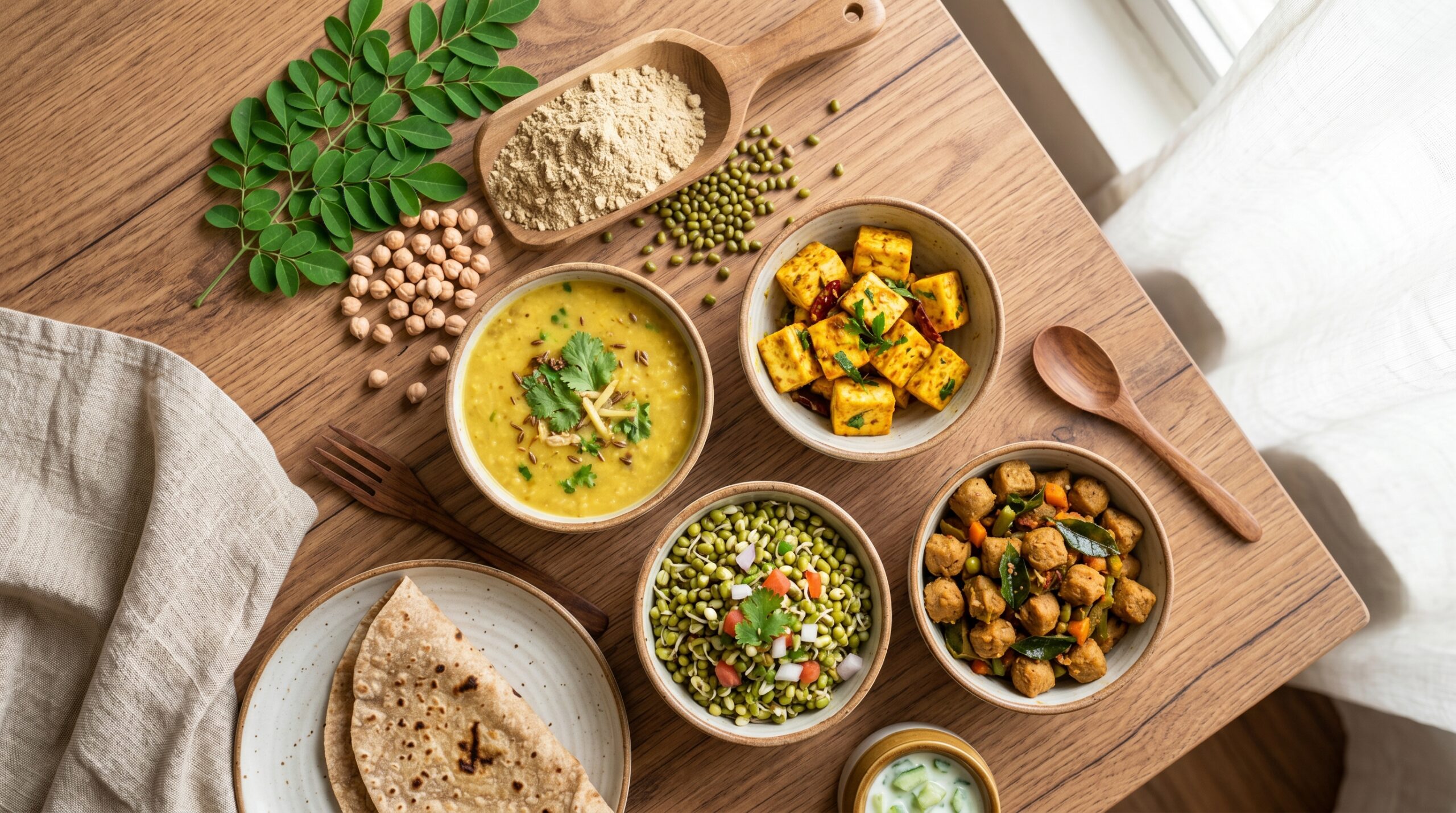
If you grew up in an Indian home, your plate probably has a lot of different flavors, spices, and comfort foods. But let’s get to the point: the traditional Indian diet is very high in carbs. Carbs are the kings of our kitchens, whether it’s hot rotis, a warm bowl of rice, or sweet treats.
Because of this, a huge myth has spread that it’s almost impossible to get enough protein every day, especially if you’re a vegetarian. We are here to prove that myth wrong.
Your body is made up of protein, which is important for muscle recovery, hormone balance, and metabolic health. You don’t have to eat only boiled chicken breasts to get your macros. The Indian kitchen is full of high-quality protein if you know what to look for. This guide will break down the top 10 high-protein Indian foods, complete with the real nutrition numbers and smart ways to cook them.
Top 3 Funfact about Protein
Before we get to the list, let’s talk a little bit about the science. Not all protein is the same.
Complete vs. Incomplete Proteins
Your body needs 20 different amino acids to work properly, and 9 of them are “essential.” This means your body can’t make them; you have to get them from your food. Animal proteins naturally have all 9, making them complete proteins. Most plant-based proteins are incomplete because they are missing one or two.
Playing It Smart with Combos
Does this mean plant-based diets are bad? Not at all. You just need to combine your foods. The classic combo of Dal (Lentils) and Chawal (Rice) is a great example. Dal is low in one amino acid but high in another. Rice is the exact opposite. Together, they give you a complete protein.
Bioavailability (How well you absorb it)
It’s not just about how much protein is in the food, but how much your body actually takes in. Animal sources like eggs and whey are very easy for the body to absorb. Plant sources are a bit harder to absorb because they have fibers and things like phytic acid that get in the way. This just means if you are vegan or vegetarian, you need to pay attention to the quality of your protein.
The Top 10 High-Protein Indian Foods
Here is a breakdown of the best protein sources you can find in Indian cooking.
A. Vegan-Friendly (Plant-Based)
1. Soy Chunks (Soya Badi)
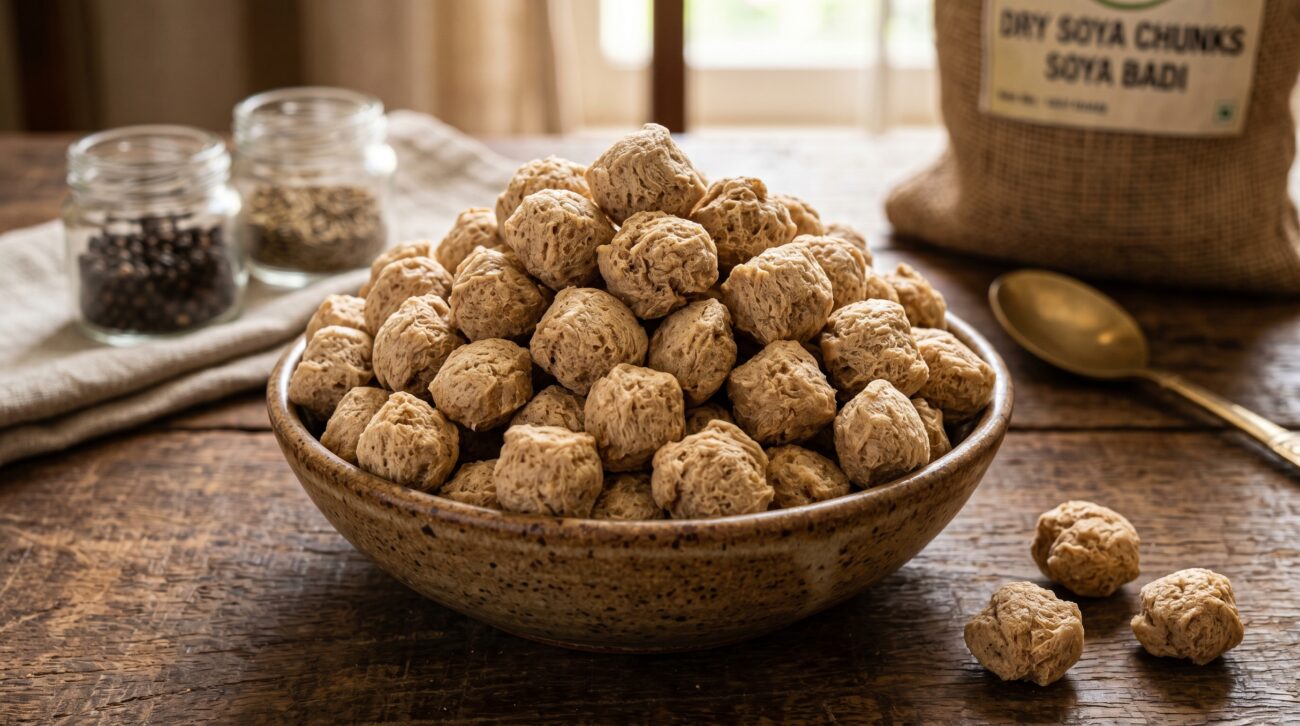
- Protein Content: ~52g per 100g (Uncooked)
- The Verdict: This is the top choice for plant-based protein in India. They have almost a complete amino acid profile and you can cook them in so many ways.
- Pro-Tip: Because they go through a lot of processing, always boil them and rinse them well in cold water before you cook. This gets rid of the raw smell.
2. Sattu (Roasted Gram Flour)
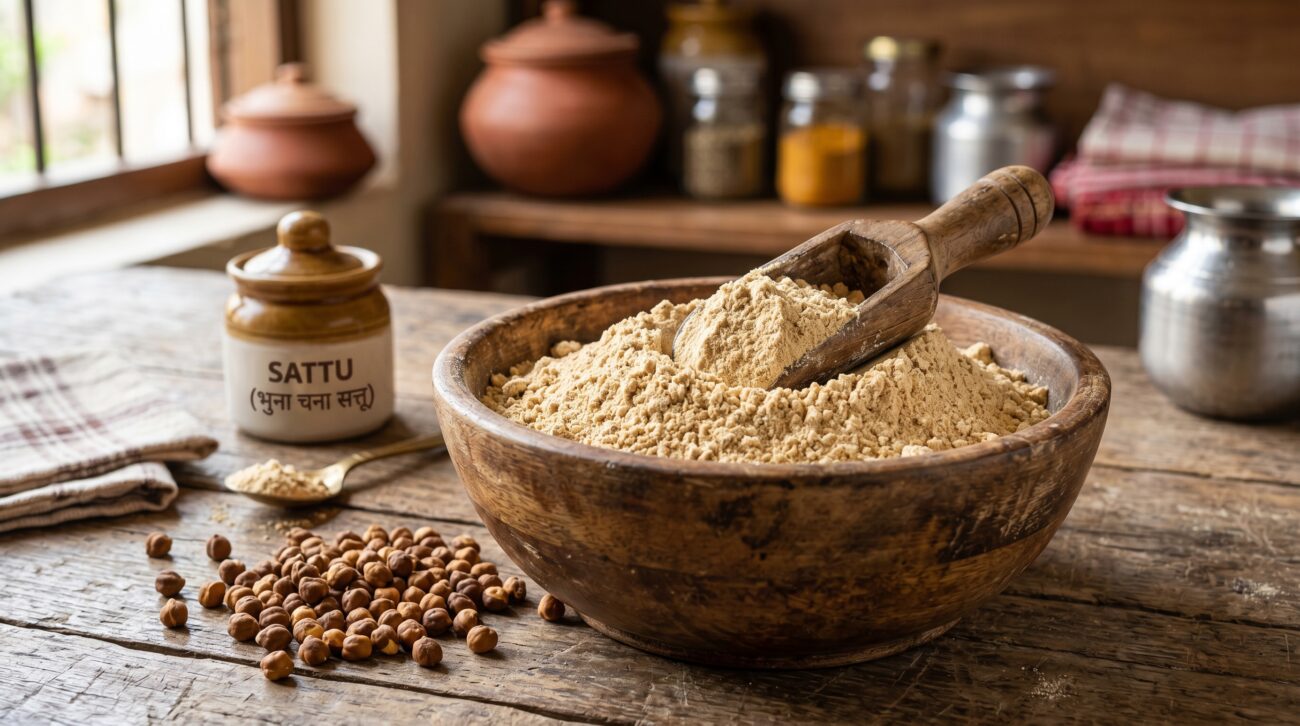
- Protein Content: ~20g per 100g
- The Verdict: Sattu is basically our local protein shake. It’s packed with energy and protein, cools your stomach, and has a lot of good fiber.
- Pro-Tip: Mix it with water, a little lemon juice, and roasted cumin for a quick, high-protein drink.
3. Lentils & Beans (Dal, Rajma, Chole)
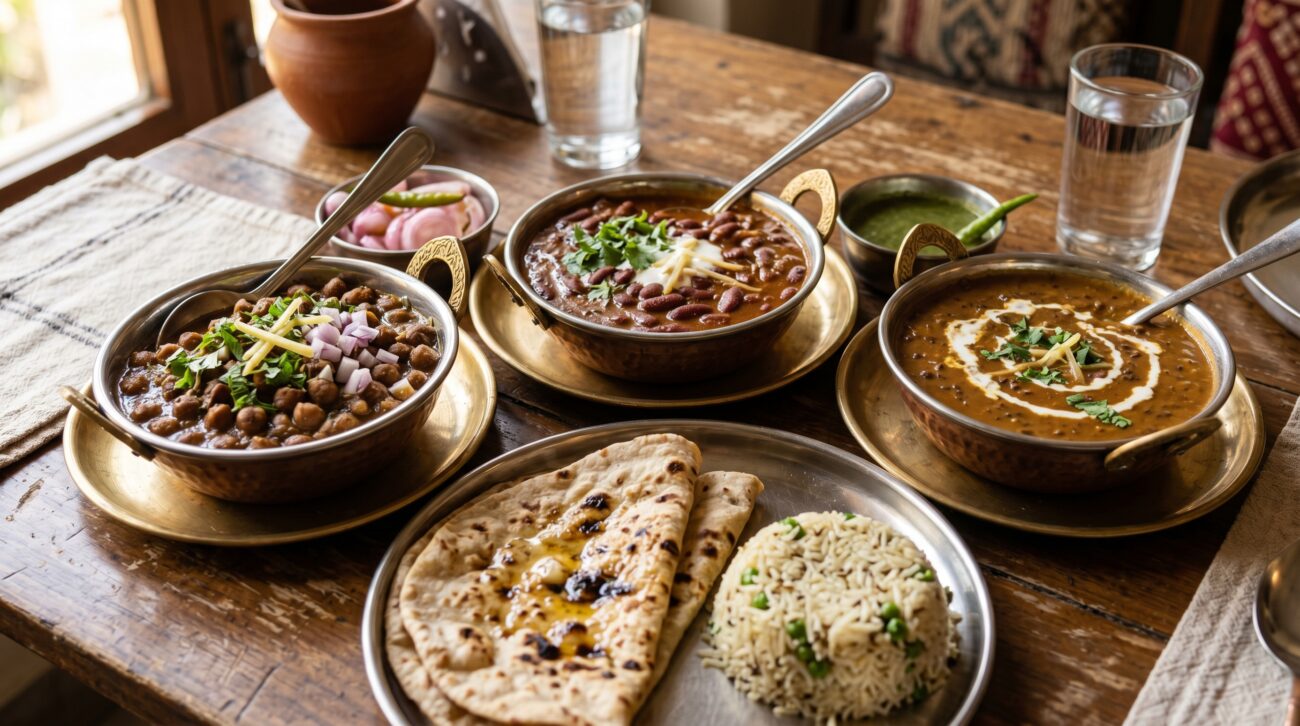
- Protein Content: ~9g per 100g (Cooked)
- The Verdict: This is the base of Indian comfort food. Dals (like Moong and Masoor) give you quick protein, while heavier beans like Rajma and Chole give you slow energy and are great for your gut.
- Pro-Tip: To stop them from making you bloated, always soak your beans overnight and cook them with a little ginger and hing (asafoetida).
4. Sprouts (Ankurit)
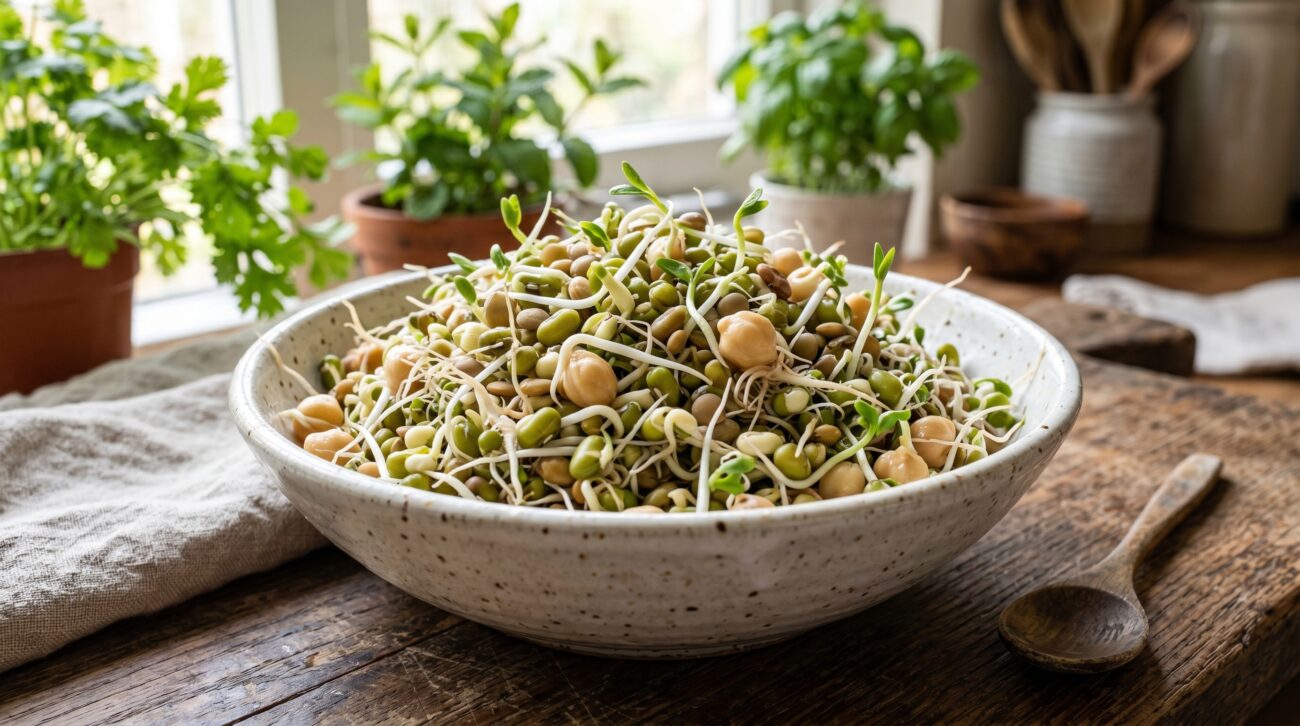
- Protein Content: ~8g per 100g
- The Verdict: When you sprout beans, it breaks down the starches. This makes the protein and minerals much easier for your body to absorb.
- Pro-Tip: Mix moong sprouts with cucumber, tomatoes, and some chaat masala for a crunchy snack.
B. Vegetarian (Dairy-Based)
5. Paneer (Indian Cottage Cheese)
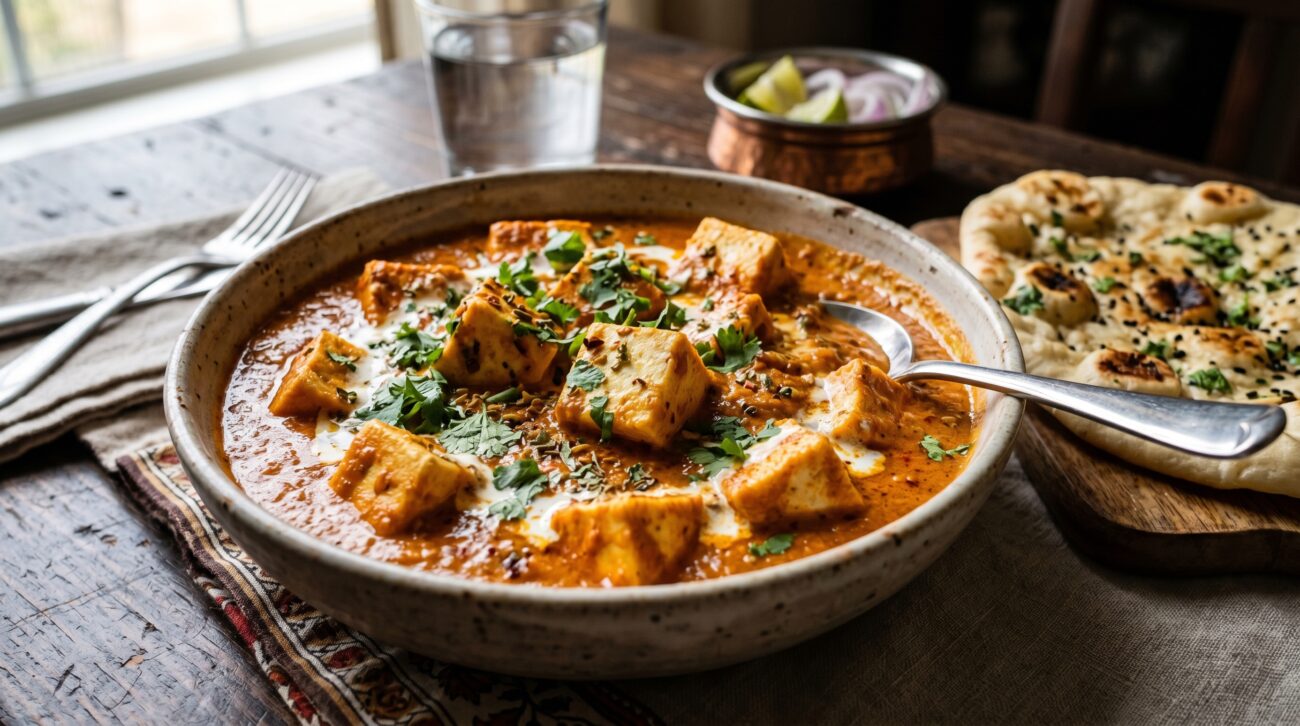
- Protein Content: ~18g per 100g
- The Verdict: A classic for Indian vegetarians. Paneer has a lot of casein (a slow-digesting protein) and calcium, which keeps you feeling full for a long time.
- Pro-Tip: Store-bought paneer usually has a lot of fat. If you make it at home, use low-fat milk. Try grilling it instead of frying it in heavy curries.
6. Greek Yogurt / Hung Curd (Chakka)
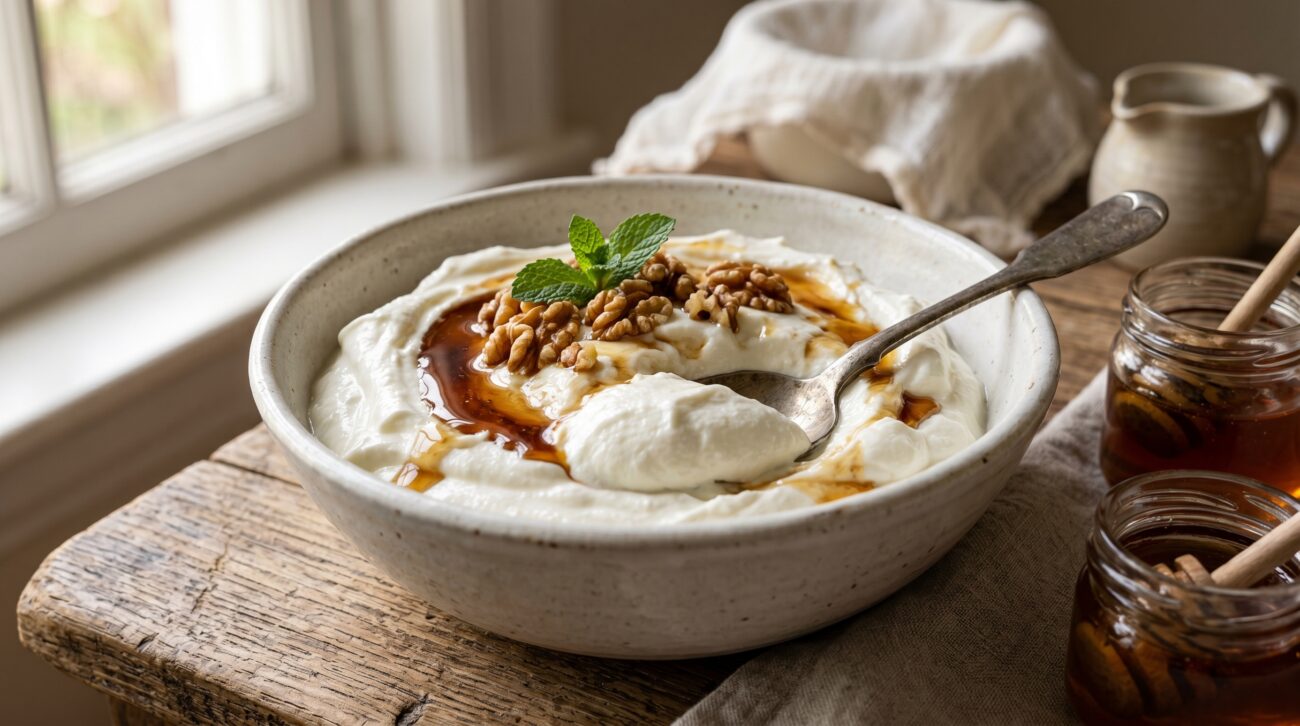
- Protein Content: ~10g per 100g
- The Verdict: When you strain the water out of regular curd, you get a thick yogurt that has almost double the protein, plus a ton of probiotics for your stomach.
7. Milk (A2 / Skimmed)
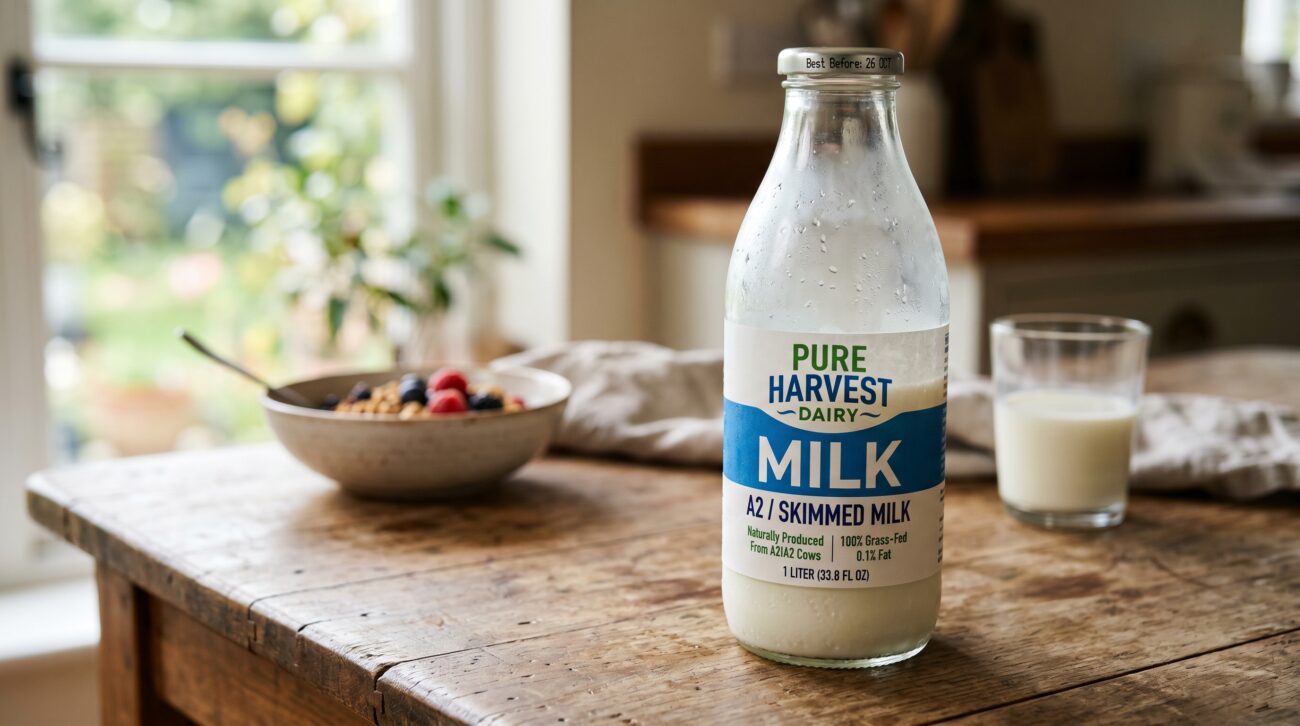
- Protein Content: ~3.4g per 100ml
- The Verdict: Milk has both fast-digesting and slow-digesting proteins. A warm glass of Haldi Doodh (turmeric milk) before bed is great for muscle recovery while you sleep.
C. Non-Vegetarian & Eggs
8. Eggs
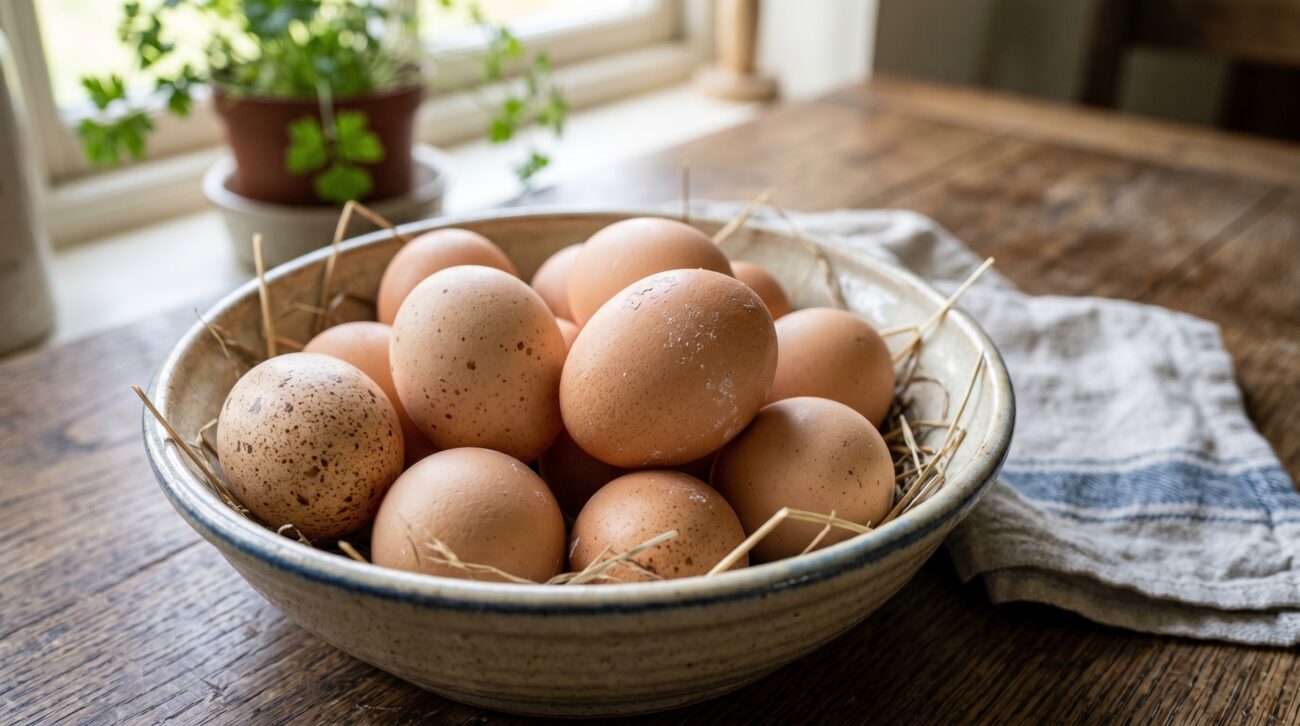
- Protein Content: ~13g per 100g (or ~6g per large egg)
- The Verdict: Eggs are the gold standard. They are super easy for your body to absorb. The whites give you pure protein, and the yolks give you vitamins and good fats.
9. Lean Chicken Breast
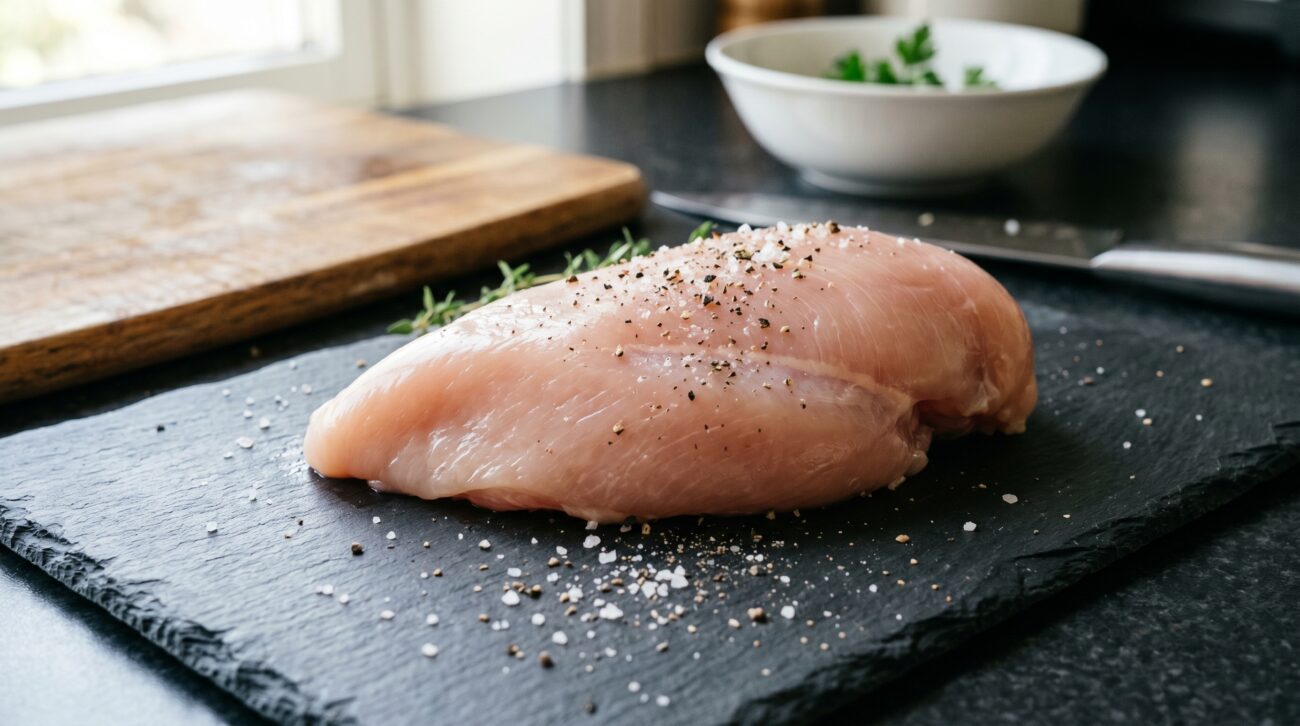
- Protein Content: ~31g per 100g (Cooked)
- The Verdict: It’s very lean and gives you a lot of protein for very few calories.
- Pro-Tip: Skip the heavy butter chicken. Marinate it in hung curd and spices, and roast it in a tandoor.
10. Fish (Rohu, Hilsa, Pomfret)
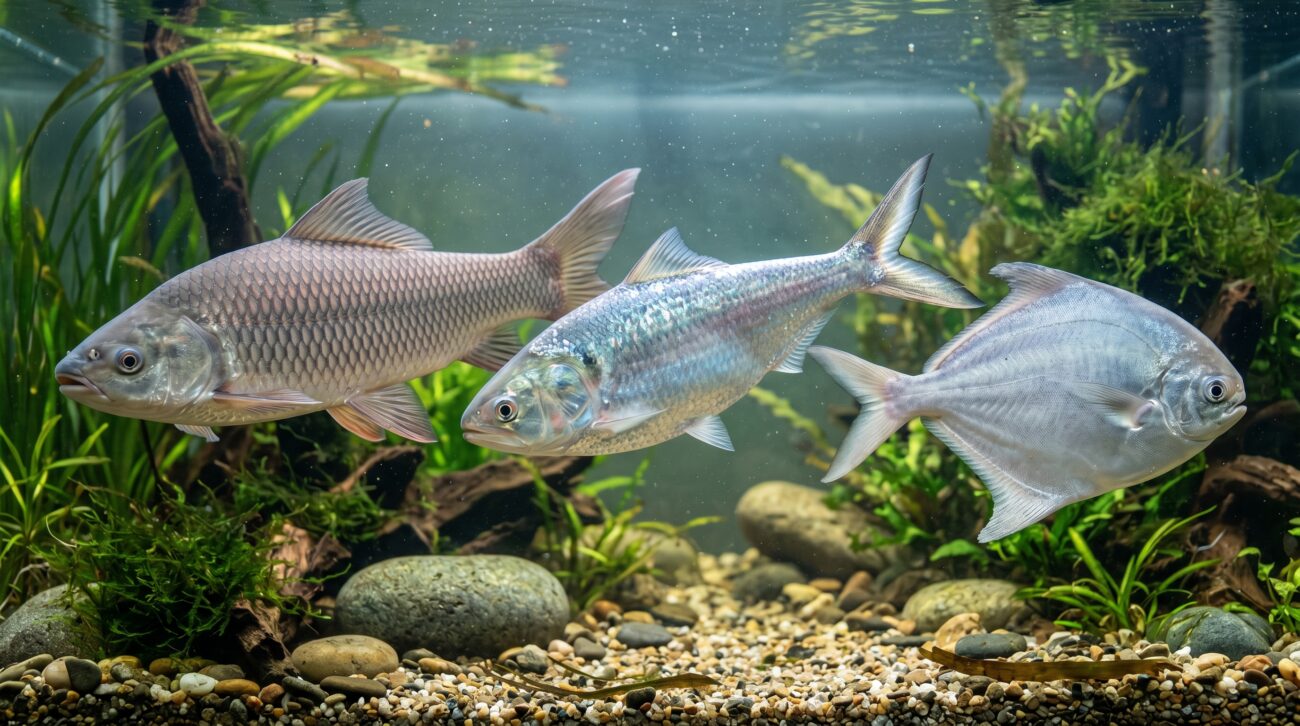
- Protein Content: ~18-20g per 100g
- The Verdict: Fish gives you great protein and is also full of Omega-3s, which help stop muscle soreness after a workout.
Comparative Nutrition Table
| Food Item (per 100g) | Protein | Main Macro | Best For |
| Soya Chunks (Raw) | ~52g | Protein | Muscle Building |
| Paneer | ~18g | Fat & Protein | Staying Full & Calcium |
| Sattu | ~20g | Carb & Protein | Energy & Post-workout |
| Hung Curd | ~10g | Protein | Gut Health |
| Chicken Breast | ~31g | Protein | Lean Muscle Gain |
Smart Cooking Tips
- Don’t Deep Fry: Dropping paneer or chicken into hot oil changes the protein and adds a lot of bad calories. Air-fry, bake, or grill instead.
- Always Soak: Always soak your dals and beans. It gets rid of things that stop your body from absorbing the protein.
- Keep It Clean: Avoid packaged gravies or sauces that use cheap thickeners, fake sugars, or bad oils.
Sample High-Protein Indian Meal Plan
- Breakfast: 2-Egg Bhurji with whole-wheat toast OR a big glass of Sattu Drink.
- Lunch: A bowl of Dal Tadka, a side of Soya Chunk Sabzi, and Brown Rice.
- Snack: A bowl of Hung Curd with nuts, or some roasted Chana.
- Dinner: Grilled Tandoori Chicken OR Paneer Tikka with a big salad.
Can’t Reach Your Protein Goals with Food Alone?
Let’s be real. Eating a high-protein diet sounds great, but finding the time to soak dal overnight or meal prep every single day is hard when you have a busy life in the city.
Also, eating protein is just half the battle. Can your body actually handle it? A lot of people feel super bloated and gassy when they try to eat more heavy dairy or plant-based foods. And if you try to fix this by buying regular protein powders, you often end up drinking Maltodextrin (a cheap filler that spikes your blood sugar) or cheap soy that messes with your stomach.
If you are missing your daily protein goals, or if heavy foods are ruining your gut health, you need a cleaner solution.
Introducing Koshnutra Vegan Protein – The Cleanest Fuel for Your Body
At Koshnutra, we believe in clean nutrition. Our Vegan Protein is approved by dietitians and made with real science to help you build strength and recover, without all the junk.
- A Complete Profile
We mixed brown rice isolate and pea protein isolate. Remember how we talked about combining foods? By putting these two together, you get a complete protein that your body can easily absorb, just like whey, but without the dairy. - The Power of Botanicals
We added natural powerhouses you won’t find in normal protein powders: moringa for nutrients, ginseng for energy, and grape seed, garcinia, and mangosteen to boost your metabolism. - Zero Fillers Policy
You will find NO Soya, NO Dairy, and NO Maltodextrin in our products. - Safe and Gut-Friendly
We designed this specifically not to make you bloated. It is 100% safe for people dealing with PCOD, Diabetes, or Celiac disease.
Ready to Upgrade Your Nutrition?
Stop drinking protein that makes you feel bloated or is full of hidden sugars. Get Pune’s best clean-label protein.
Mix 2 scoops (around 30g) of Koshnutra Vegan Protein with 200 ml of water or your favorite plant milk. Drink it after your workout or as a daily shake for recovery that actually feels good on your stomach.
Shop Koshnutra Vegan Protein – ₹1,199.00
Scientific References
- World Health Organization (WHO). (2007). Protein and amino acid requirements in human nutrition. WHO Technical Report Series.
- Hoffman, J. R., & Falvo, M. J. (2004). Protein – Which is Best? Journal of Sports Science & Medicine, 3(3), 118–130.
- Babault, N., et al. (2015). Pea proteins oral supplementation promotes muscle thickness gains during resistance training. Journal of the International Society of Sports Nutrition, 12(1), 3.


