


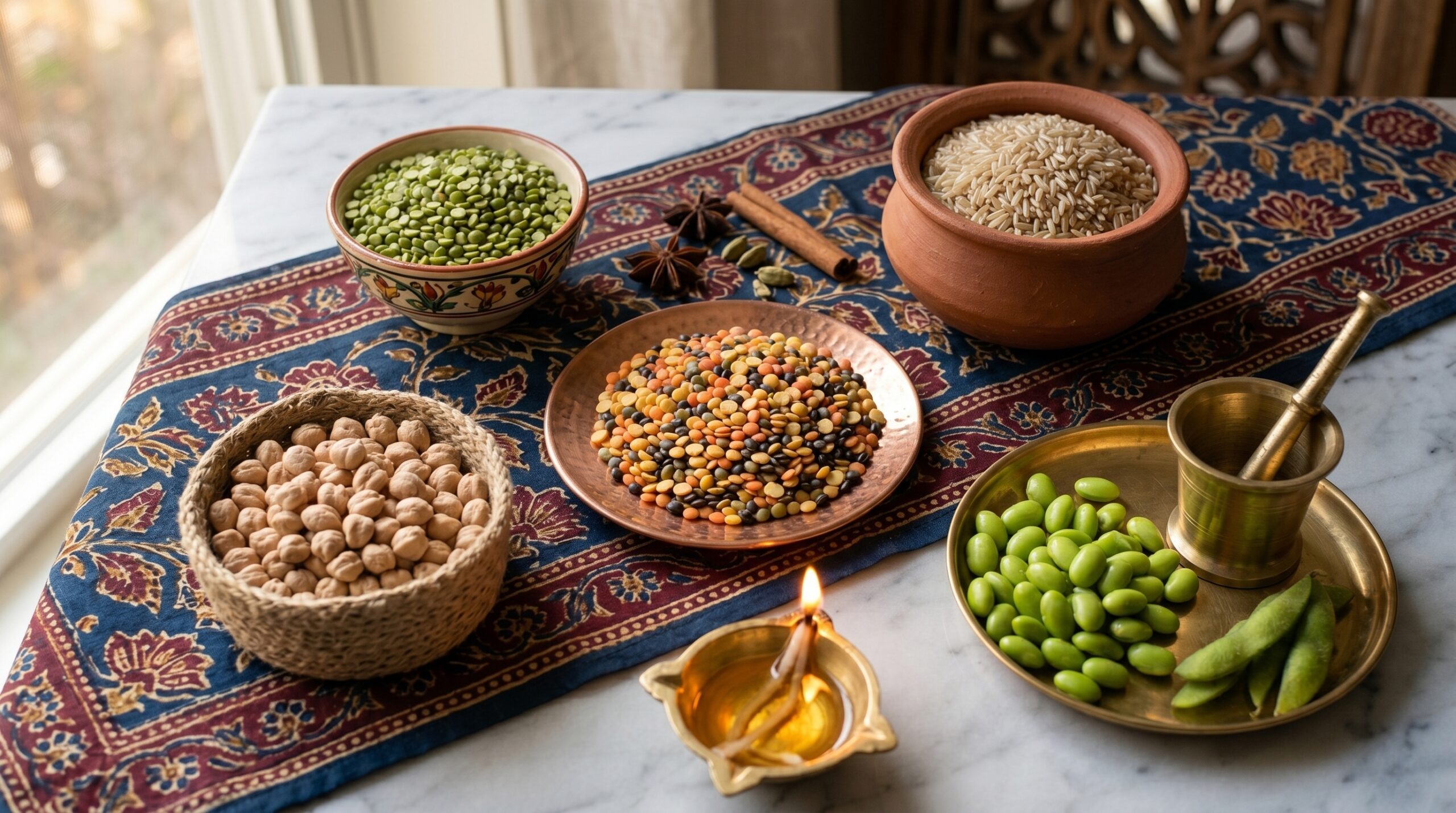
If you live in a busy city like Pune, it’s hard to eat well and live a busy life at the same time. You might want to build lean muscle, keep your weight in check, or even keep conditions like PCOD under control.
But there is still a myth that keeps people from moving forward:
“You can’t get enough high-quality protein on a plant-based diet.”
We at Koshnutra know that this is not true at all. We are a science-based nutrition brand, so we have looked at both the clinical data and the reality of the modern Indian diet. Once you know the best plant-based protein sources, you can easily optimize your daily intake.
But getting it right takes a solid plan. Just eating bowls of dal won’t work if you don’t want to overeat carbs.
Let’s look at how you can really fuel your body, fix your metabolism, and feel great using the power of plants.
Expert Q&A for Plant-Based Protein India
Before we get to the foods, let’s clear up some of the most common questions our community asks us about plant-based diets.
Which is the highest source of plant-based protein?
If we are looking purely at the numbers, Seitan (made from wheat gluten) is the highest, giving you about 25 grams of protein per 100 grams. But since it has gluten, it is not for everyone. If you need gluten-free, whole foods, Tempeh and Edamame are your best options.
Which Indian food has the highest protein?
In a normal Indian kitchen, Soy chunks (Nutrela) give you a lot of protein for very little weight. For daily meals, things like Moong Dal, Chana (chickpeas), and Rajma are great, but you have to remember they also bring a lot of carbohydrates with them.
What is the 30 30 30 rule for vegans?
This is a very popular trick for your metabolism: eat 30 grams of protein within 30 minutes of waking up, and then do 30 minutes of light exercise. If you are vegan, trying to eat a huge bowl of lentils at 7 AM is too heavy for your stomach. Drinking a clean, plant-based protein shake is the easiest and best way to hit this goal.
How to get 70g of protein a day in India?
Hitting 70g a day on an Indian vegetarian diet is easy if you plan it out. Here is a practical way to do it:
- Morning (30g): 1 scoop of a high-quality vegan protein powder mixed with water or almond milk.
- Lunch (15g): 1 cup of thick Dal with 100g of Tofu or Tempeh bhurji.
- Snack (10g): A handful of roasted chickpeas and some pumpkin seeds.
- Dinner (15g): Quinoa upma or a fresh salad mixed with Edamame.
The 9 Most Powerful Plant-Based Protein Sources (Highest to Lowest)
To eat well, you need variety and a good strategy. Here are the top 9 sources, ranked by how much protein they have per 100g, so you can hit your daily targets without the guesswork:
1. Pea Protein
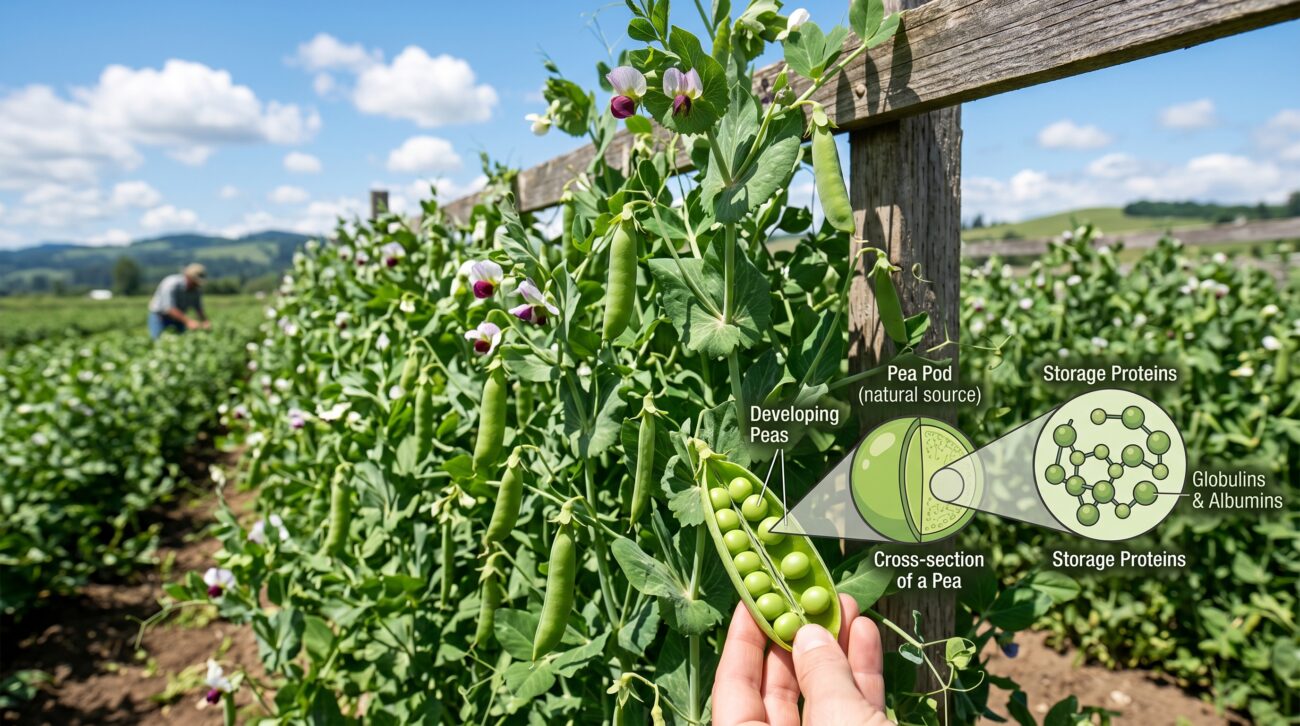
- Protein Content: ~80g per 100g (as isolate powder)
Taken from yellow split peas, pea protein is full of branched-chain amino acids (BCAAs). It is especially rich in arginine, which helps with blood flow and heart health. It is very easy to digest and gentle on your stomach, which makes it the best base for clean supplements.
2. Brown Rice
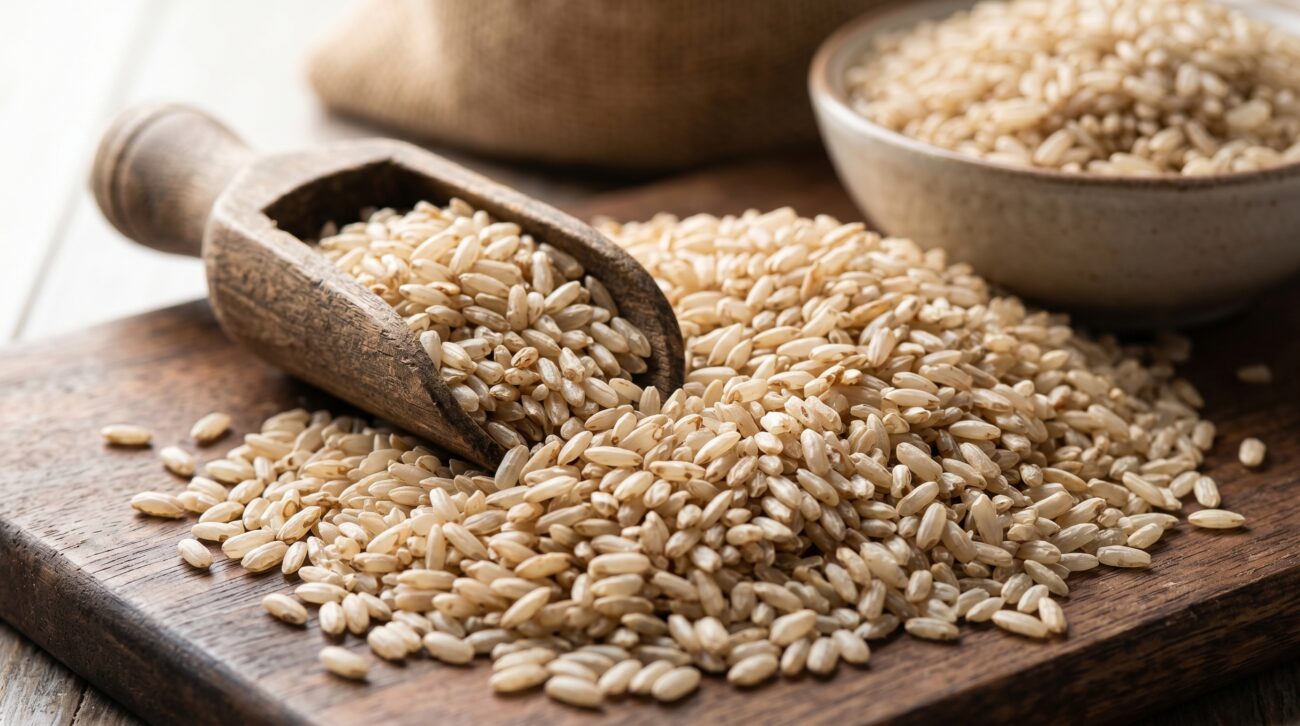
- Protein Content: ~80g per 100g (as isolate powder) | ~8g per 100g (cooked grain)
As a cooked grain, it does not have all the amino acids. But Brown Rice protein powder is amazing. It does not cause allergies, and when you mix it with pea protein, it acts exactly like whey protein—but without making you feel bloated from dairy.
3. Seitan
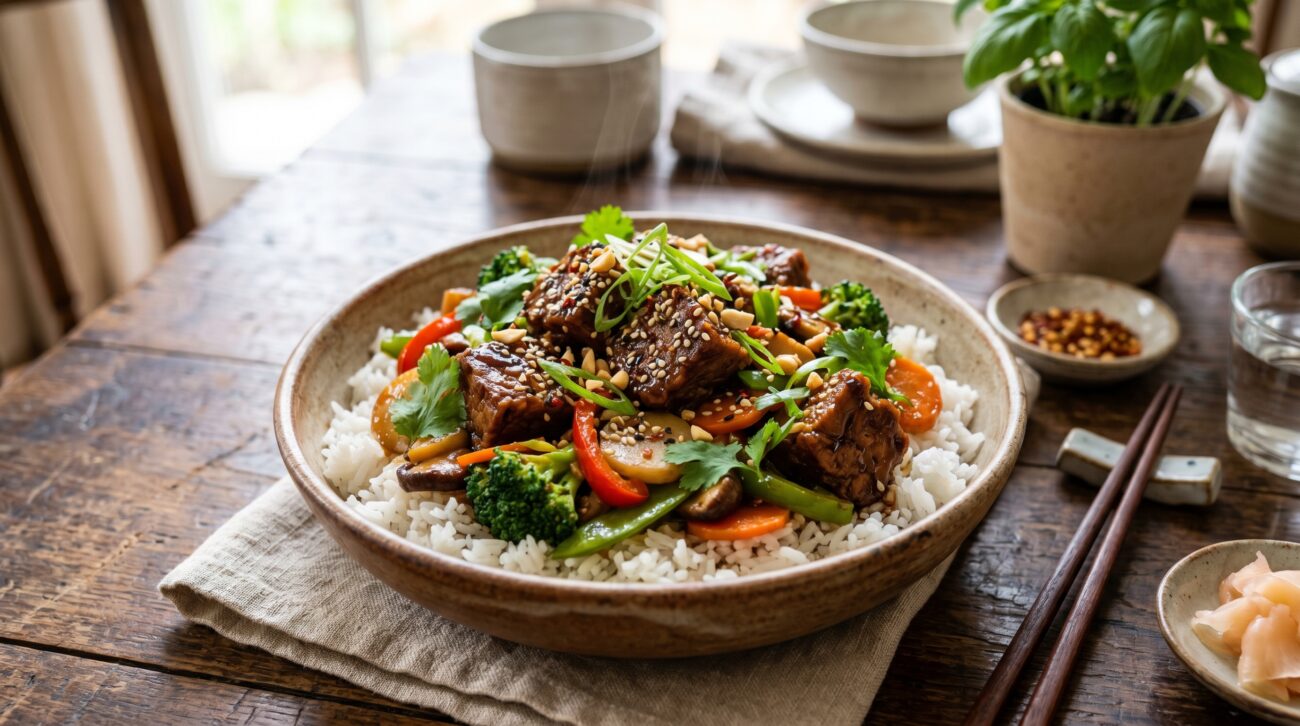
- Protein Content: ~25g per 100g (cooked)
People often call this “wheat meat” because of its chewy texture. It has a massive amount of protein. If you are a strict vegan trying to build muscle and you don’t have issues with gluten, this is a great food to add to your meals.
4. Tempeh
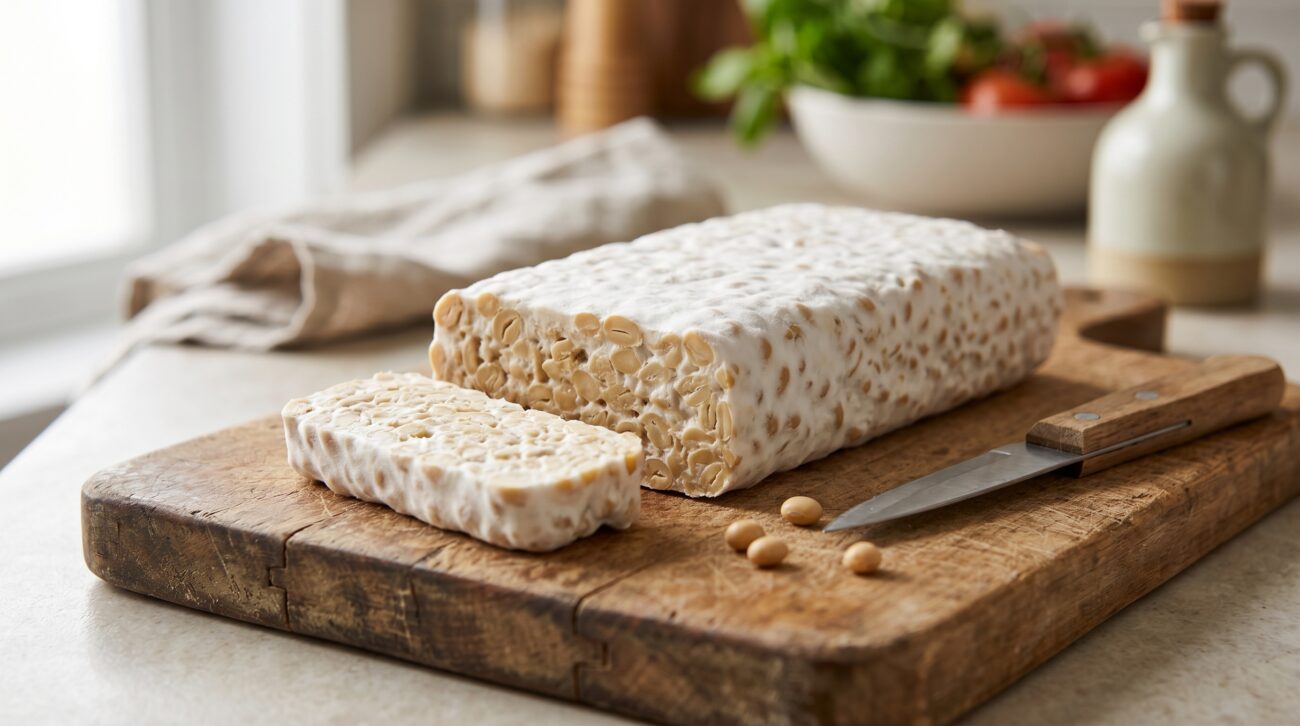
- Protein Content: ~19g per 100g
Tempeh comes from Indonesia but is getting very popular in India. It is made from fermented soybeans. The fermenting process makes it incredibly easy for your gut to handle, and it delivers a very high amount of protein per serving.
5. Tofu
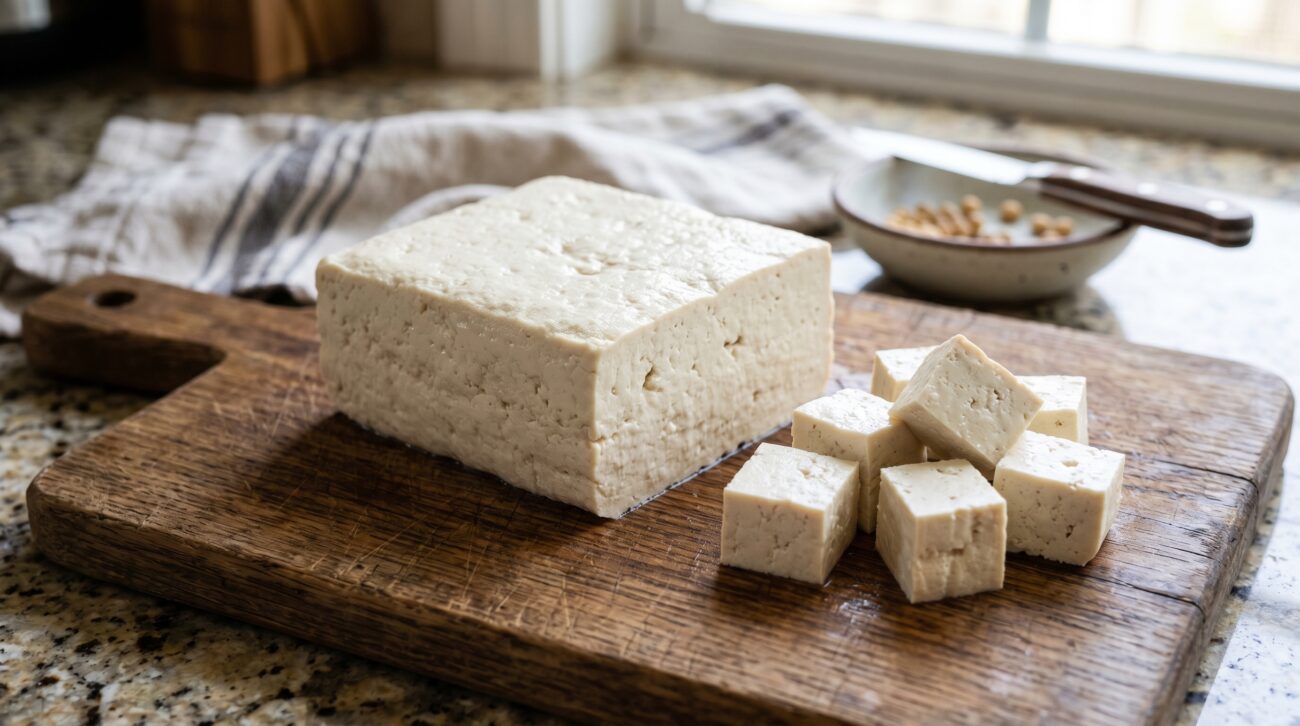
- Protein Content: ~8g to 15g per 100g (depending on firmness)
Made from soy milk, Tofu is great because it takes on the flavor of whatever spices you use. A standard 100g serving gives you a solid amount of complete protein, plus it adds important calcium and iron to your diet.
6. Edamame
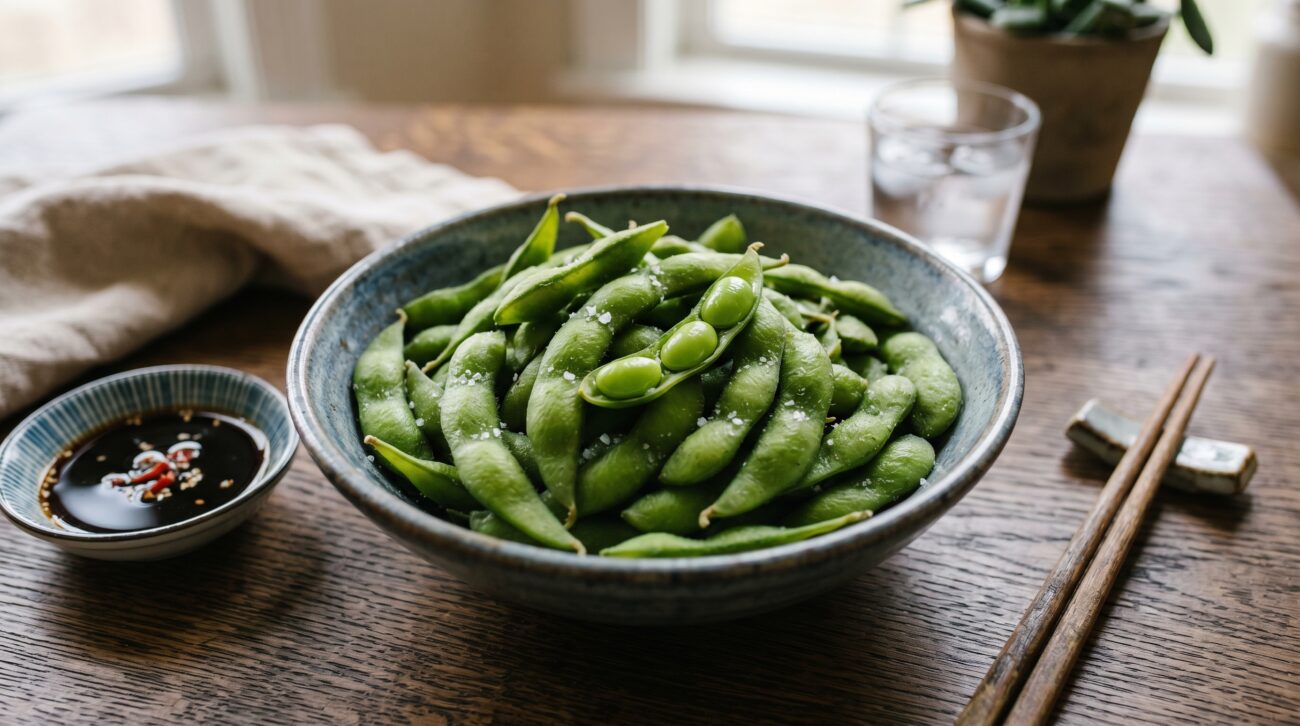
- Protein Content: ~11g per 100g (cooked)
These are just young soybeans, and they make the perfect clean snack. Boiling a fresh batch gives you protein that your body can easily use. They are also packed with antioxidants and vitamin K for strong bones.
7. Lentil
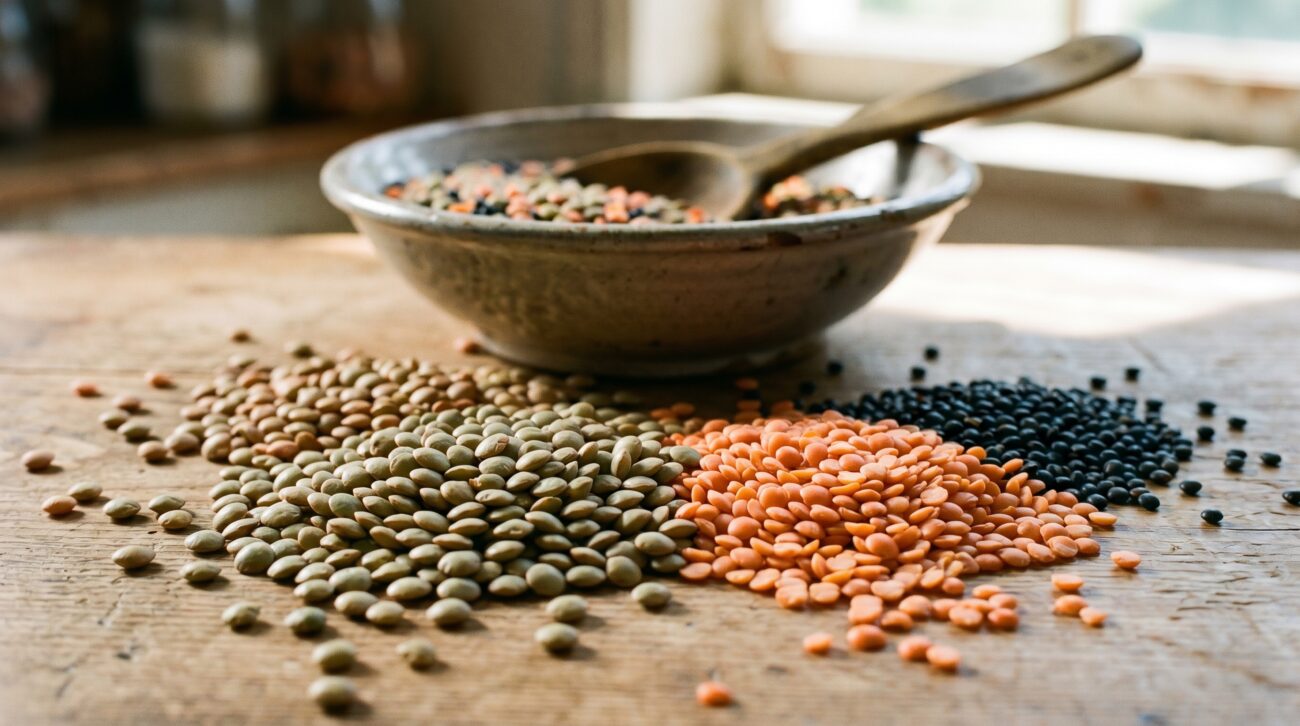
- Protein Content: ~9g per 100g (cooked)
The hero of almost every Indian diet. From red to green to black, lentils give you a solid base of nutrition. They are full of iron and fiber, keeping your heart healthy and your energy up throughout the day.
8. Chickpea
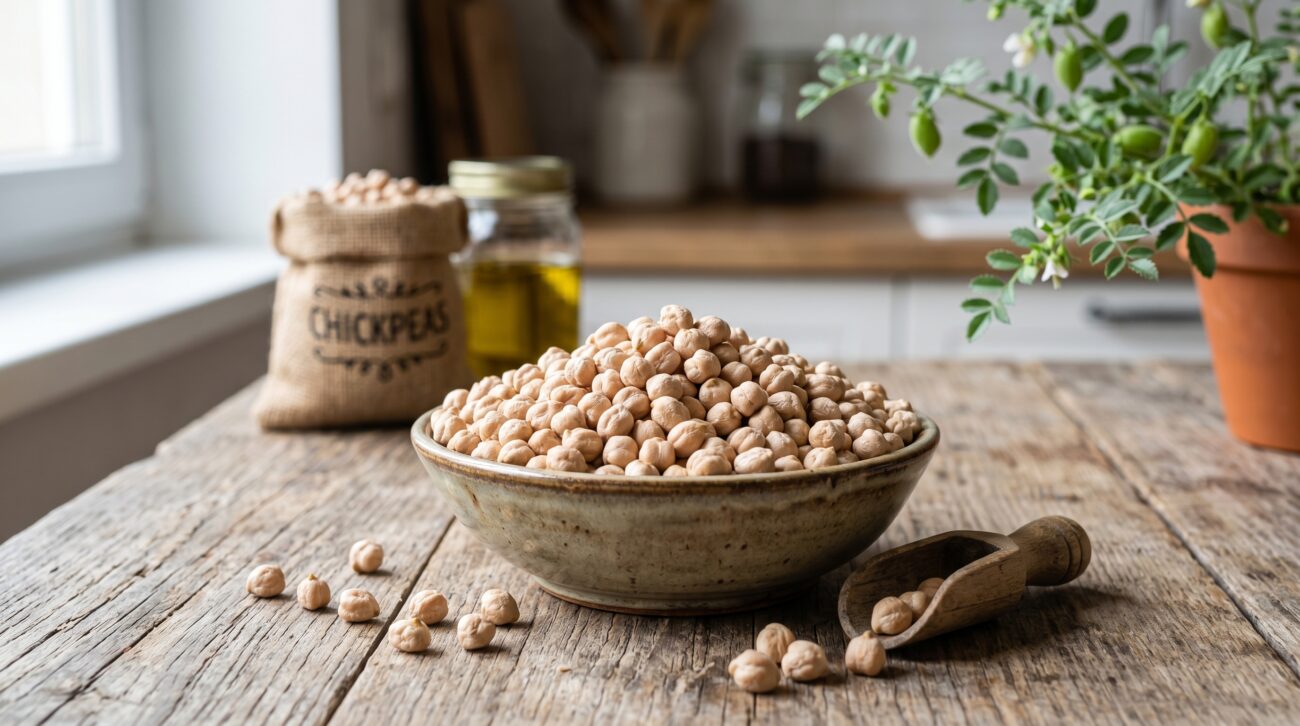
- Protein Content: ~9g per 100g (cooked)
Whether you eat it as hummus, roasted as a snack, or in a classic chana masala, the Chickpea is very easy to use. It gives you good protein and complex carbs so you don’t feel tired in the middle of the afternoon.
9. Quinoa
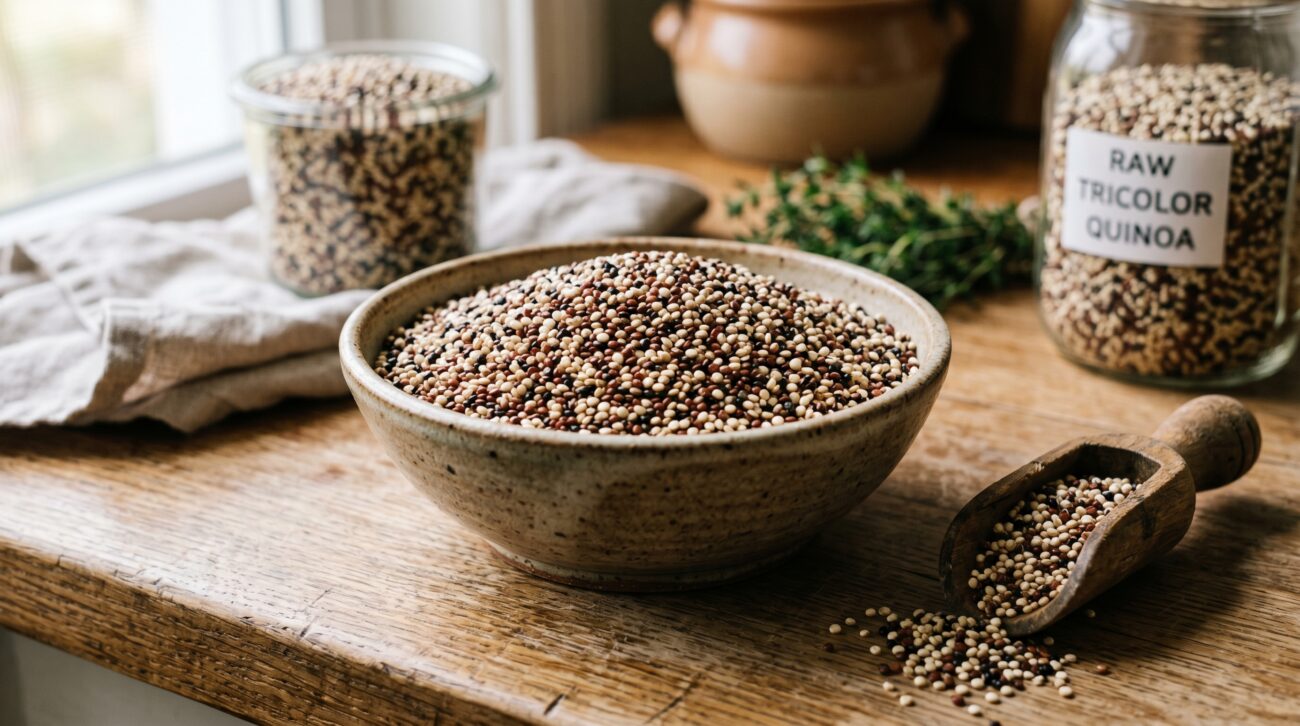
- Protein Content: ~4.5g per 100g (cooked)
Most grains are missing certain amino acids, but Quinoa has all nine of them. It is a complete protein. If you swap out your regular white rice for quinoa, you instantly upgrade the nutrition of your lunch or dinner.
Which is the best plant-based protein in India?
Eating whole foods is very important. But if you only rely on food to hit high protein goals, you might end up eating too many carbs. This can leave you feeling bloated and tired, which is a big problem if you have PCOD or a sensitive gut.
You need a supplement that actually understands your body.
Introduce Koshnutra Vegan Protein
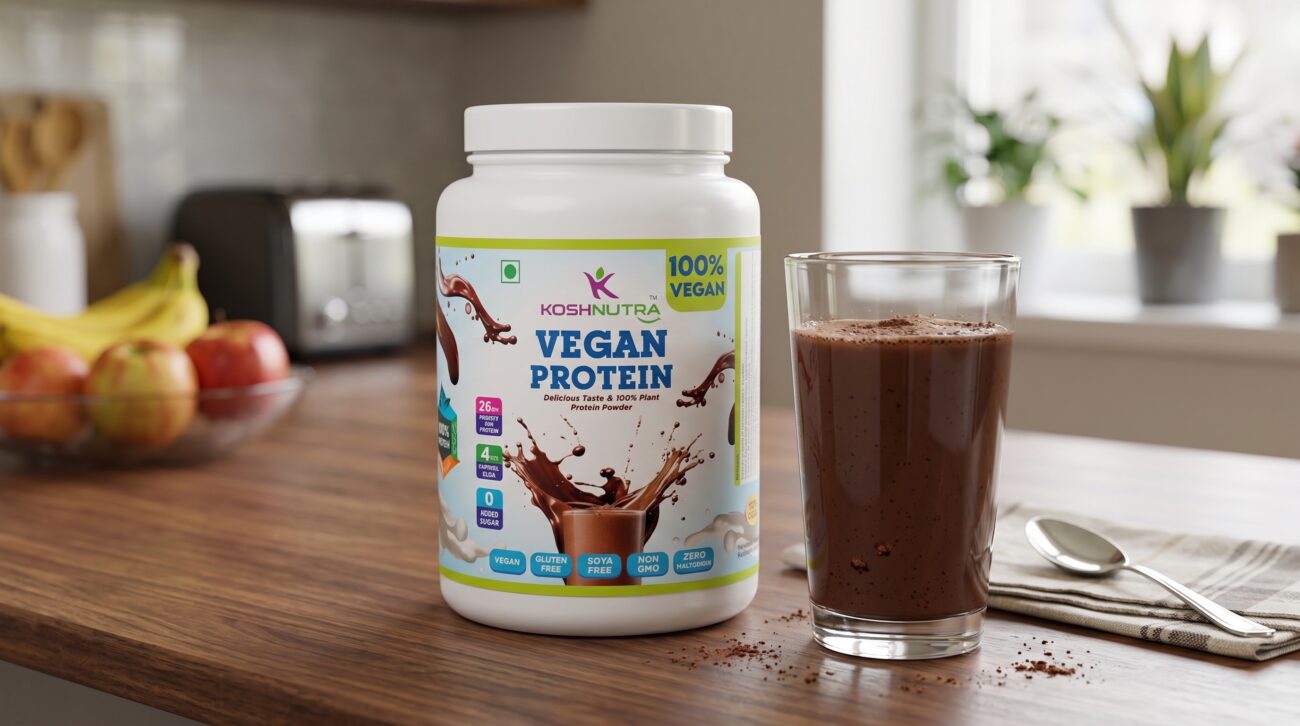
Plant-Powered. Clinically Balanced. Gut-Friendly.
At Koshnutra, we don’t believe in using cheap fillers. Our Vegan Protein (₹1,199.00) is a highly advanced formula made for your total well-being.
Here is why it works:
- The Perfect Mix
We blend brown rice isolate protein and pea isolate protein so you get a complete, high-quality protein profile in every scoop. - Supercharged with Plants
We added moringa, grape seed extract, Panax ginseng, garcinia, mangosteen, and green tea extract. This gives you extra energy and antioxidants and helps keep your hormones balanced. - Totally Clean
100% free from soy and dairy. More importantly, we are entirely maltodextrin-free, which means you won’t get those terrible blood sugar spikes. - Made for Everyday Health
It is clinically formulated to be safe for diabetics, PCOD warriors, and people with celiac disease.
How to use it: Just mix 2 scoops (about 30 g) with 200 ml of water or plant-based milk. Drink it once or twice a day to help build lean muscle, recover faster, and keep your digestion feeling great.
Ready to Restore Balance from Within?
It’s hard enough living a busy life. You shouldn’t have to stress about a heavy, bloated stomach just because you want to hit your protein goals. It’s time to fuel your body with clean, science-backed nutrition that actually works.
Stop settling for supplements full of fillers. Click here to check out Vegan Protein by Koshnutra today and see what clinical nutrition really feels like.
Do you have questions about your diet or want to order quickly? Chat with our nutrition experts directly on WhatsApp!
Scientific References & Citations
- Pea and Rice Protein Amino Acid Synergy: Joy, J. M., et al. (2013). “The effects of 8 weeks of whey or rice protein supplementation on body composition and exercise performance.” Nutrition Journal. Read Study Here
- Plant Protein vs. Animal Protein in Muscle Hypertrophy: Hevia-Larraín, V., et al. (2021). “High-Protein Plant-Based Diet Versus a Protein-Matched Omnivorous Diet to Support Resistance Training Adaptations.” Sports Medicine. Read Study Here
- Metabolic Benefits of Maltodextrin-Free Diets: Hofman, D. L., et al. (2016). “Nutrition, Health, and Regulatory Aspects of Digestible Maltodextrins.” Critical Reviews in Food Science and Nutrition. Read Study Here


