


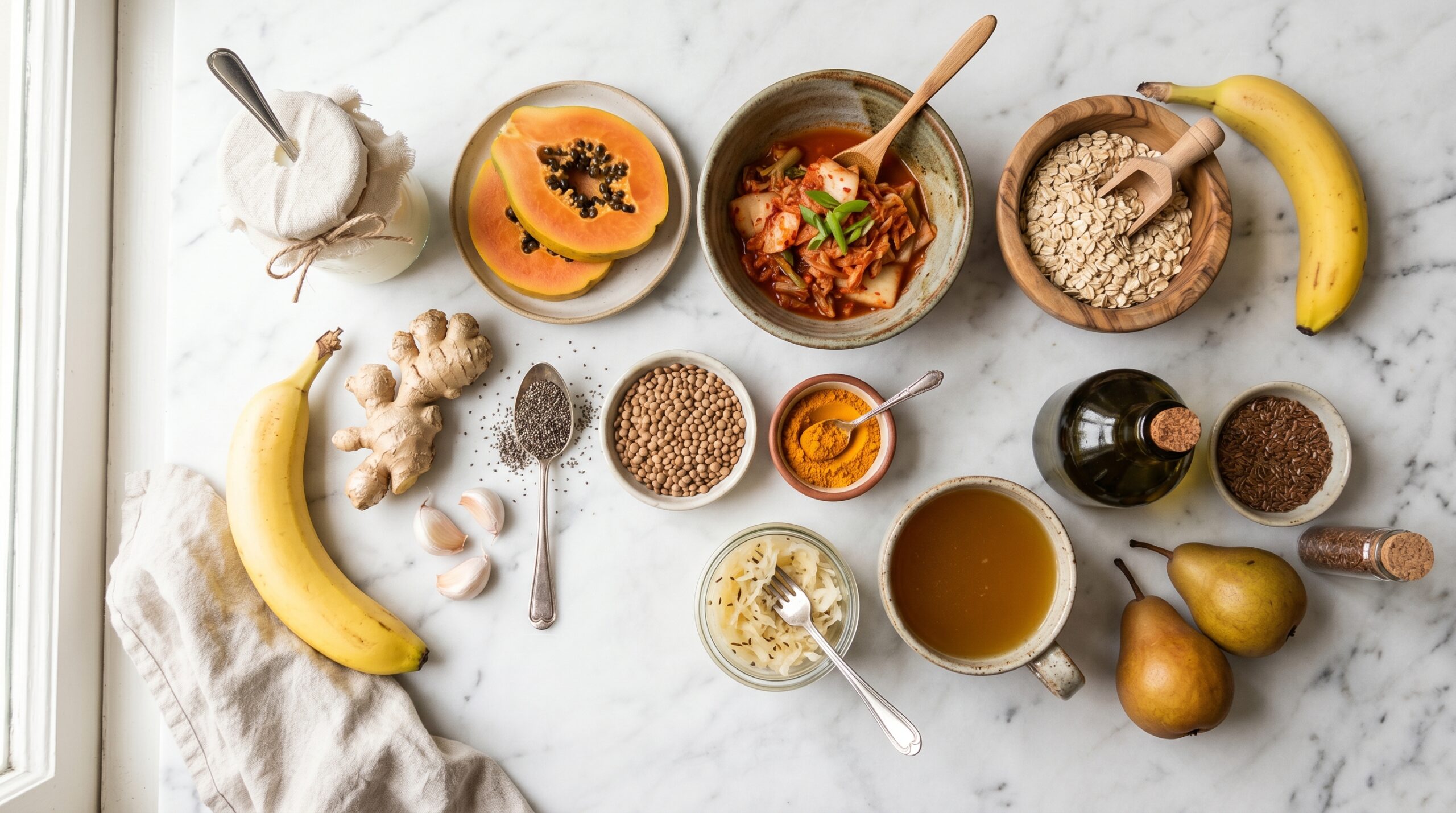
The Best Foods to Repair Your Gut & Enhance Digestion
Your gut is home to approximately 100 trillion microorganisms collectively form your gut microbiome. Research published in Cell (2016) confirms that diet is the single most powerful factor shaping microbiome composition. In short, what you eat determines how well your gut works, and how well your gut works determines nearly everything else, including your immunity, mental health, and energy levels.
This article covers 15 science-backed foods that directly improve digestion, explains the key concepts you need to know, identifies foods to avoid, and shows how targeted supplementation from Koshnutra can support your gut health journey.
Probiotics vs. Prebiotics vs. Postbiotics: What Is the Difference?
Before diving into the food list, understanding three core concepts helps you make smarter choices for your gut.
| Term | Definition | Food Sources | Primary Benefit |
| Probiotics | Live beneficial bacteria that colonise the gut | Kefir, yoghurt, kimchi, miso, sauerkraut | Restore and diversify gut flora |
| Prebiotics | Indigestible fibres that feed good gut bacteria | Garlic, oats, bananas, legumes, onions | Stimulate growth of Bifidobacterium & Lactobacillus |
| Postbiotics | Bioactive compounds produced when bacteria digest prebiotics | Fermented foods (by-products) | Reduce inflammation, strengthen gut lining |
Fermented and Probiotic Foods
Fermented foods are the most direct way to deliver live beneficial bacteria to your digestive tract. They have been consumed across cultures for thousands of years and modern science now confirms their mechanisms.
1. Kefir
Kefir is a fermented milk drink containing up to 61 distinct microbial strains, making it significantly more potent than standard yoghurt. A systematic review in Nutrients (2021) found that kefir consumption reduced IBS symptoms, improved lactose tolerance, and lowered markers of gut inflammation. Drink 150–200 ml daily, preferably in the morning before meals.
2. Yoghurt
Yoghurt is rich in Lactobacillus and Bifidobacterium strains that help maintain the mucosal lining of the intestine. Choose yogurt labelled “live and active cultures” with a CFU count of at least 1 billion. Avoid varieties with added sugar or artificial flavors, as these undermine the probiotic benefit.
3. Kimchi
Kimchi, a Korean fermented vegetable dish, contains Lactobacillus plantarum, a strain shown to reduce intestinal permeability (“leaky gut”) and modulate immune response. A study in the Journal of Medicinal Food (2014) linked kimchi consumption to reductions in total cholesterol and improved gut microbiota diversity.
4. Sauerkraut
Sauerkraut, fermented cabbage, delivers both probiotics and short-chain fatty acids (SCFAs), particularly butyrate, which is the primary fuel source for colonocytes (cells lining the colon). Regular consumption helps regulate bowel frequency and reduce constipation. Choose raw, unpasteurized sauerkraut; heat destroys the live cultures.
#5. Miso and Tempeh
Both are fermented soy products that provide probiotic benefits without dairy. Tempeh is also an excellent plant-based protein source. These are particularly useful for individuals with lactose intolerance or dairy sensitivity. Miso soup is easily incorporated into daily meals; tempeh can replace meat in most recipes.
| 🌿 Koshnutra Vegan Protein (Gut-Safe Plant Protein) For individuals following a plant-based diet or managing gut conditions such as IBS, IBD, celiac disease, or thyroid disease, getting adequate protein without digestive stress is a challenge. Koshnutra Vegan Protein is formulated with a clean blend of pea protein isolate and brown rice protein, combined with a digestive enzyme blend and fenugreek fiber to support easy daily digestion. It also includes moringa, grape seed extract, garcinia, mangosteen, and guar gum—completely soy-free, gluten-free, non-GMO, and purely maltodextrin-free. Available in chocolate hazelnut flavor, shop now here. |
High-Fibre Foods
Dietary fiber is the primary fuel for your gut microbiome. The WHO recommends at least 25 grams of fiber daily, most people consume fewer than 15 grams. The foods below close that gap.
6. Oats and Whole Grains
Oats contain beta-glucan, a soluble fibre that selectively feeds Bifidobacterium in the colon. A meta-analysis in the American Journal of Clinical Nutrition (2011) confirmed that beta-glucan increases gut microbiota diversity and significantly improves bowel transit time. Whole grains such as barley and rye provide similar benefit through arabinoxylan fiber.
7. Legumes (Lentils and Chickpeas)
Legumes are among the richest sources of resistant starch, a type of fiber that bypasses digestion in the small intestine and reaches the colon intact, where it acts as a powerful prebiotic. The fermentation of resistant starch produces butyrate, which reduces colonic inflammation and lowers the risk of colorectal disease. Aim for 100–150 g of cooked legumes three times per week.
8. Chia Seeds and Flaxseeds
When chia seeds come into contact with liquid, they form a gel, which is a soluble fiber that slows digestion, stabilizes blood sugar, and softens stool for easier passage. Flaxseeds add omega-3 fatty acids that directly reduce intestinal inflammation. One tablespoon of each, added to smoothies or overnight oats, provides a meaningful daily fiber boost.
9. Bananas
Ripe bananas contain inulin (a prebiotic) and pectin (a soluble fiber that regulates cholesterol and normalizes bowel function). Unripe bananas deliver even more resistant starch. Bananas also have mild antacid properties and are commonly recommended for managing heartburn and acid reflux naturally.
10. Pears and Papaya
Pears provide both soluble and insoluble fiber, making them effective for both constipation and diarrhea. Papaya contains papain, a proteolytic enzyme that breaks down protein in the stomach, reducing bloating and gas after protein-rich meals. A study in Neuroendocrinology Letters (2013) showed that papaya preparation significantly relieved IBS symptoms, including constipation and bloating.
Anti-Inflammatory and Healing Foods
Chronic gut inflammation is the root cause of conditions including leaky gut syndrome, IBD, and dysbiosis. These five foods actively reduce inflammation and support the structural integrity of the gut lining.
11. Ginger
Ginger’s active compounds—gingerols and shogaols—accelerate gastric emptying and stimulate the production of digestive enzymes, including protease and lipase. A clinical trial in the European Journal of Gastroenterology & Hepatology (2008) found that ginger significantly accelerated gastric emptying in participants with functional dyspepsia. Consume fresh ginger tea daily or add grated ginger to meals.
12. Garlic and Onions
Both garlic and onions are rich in fructooligosaccharides (FOS)—one of the most studied prebiotic fibers. FOS selectively stimulates the growth of Lactobacillus and Bifidobacterium while inhibiting harmful bacteria such as Clostridium perfringens. Even small amounts (2–5 g raw garlic daily) produce measurable changes in gut microbiota composition within two weeks.
13. Bone Broth
Bone broth is rich in collagen, glycine, and glutamine — amino acids that are directly used to repair the tight junctions of the intestinal lining. Glutamine, in particular, is the preferred fuel source for enterocytes (intestinal cells) and has been shown to reduce intestinal permeability in clinical settings. Consume one cup of quality bone broth daily for gut lining support.
14. Turmeric (Curcumin)
Curcumin, the active compound in turmeric, modulates the NF-kB inflammatory pathway and reduces pro-inflammatory cytokines in the intestinal mucosa. A meta-analysis in the Journal of Clinical Medicine (2019) found curcumin supplementation significantly reduced disease activity in patients with ulcerative colitis. Pair turmeric with black pepper (piperine) to increase curcumin bioavailability by up to 2,000%.
15. Extra Virgin Olive Oil (EVOO)
EVOO contains over 30 phenolic compounds, particularly oleocanthal and hydroxytyrosol that feed Bifidobacterium longum and Lactobacillus species while suppressing pathogenic bacteria. A study in Nutrients (2019) confirmed that EVOO polyphenols significantly improved gut microbiota diversity. Use EVOO as a cold dressing or for low-heat cooking; high heat degrades its phenolic content.
| 🌿 Koshnutra AmlaCare Powder (Natural Gut Microbiota Support) Koshnutra AmlaCare Powder combines Amla Extract (Indian Gooseberry), Giloy Extract, and Grape Seed Extract with Resistant Dextrin, a clinically studied prebiotic fiber, and Guar Gum for comprehensive digestive support. This blend directly improves gut microbiota balance, reduces intestinal inflammation, boosts natural immunity, and supports metabolic health. It is ideal for individuals managing gut discomfort, weight gain, fatty liver, PCOD/PCOS, or insulin resistance. Purely maltodextrin-free and manufactured in India under quality-tested conditions. Learn more here. |
Quick Reference: All 15 Foods by Gut Benefit Type
| Food | Category | Key Nutrient | Best For |
| Kefir | Probiotic | 61+ microbial strains | IBS, lactose intolerance |
| Yoghurt | Probiotic | Lactobacillus, Bifidobacterium | Gut flora balance |
| Kimchi | Probiotic | L. plantarum | Leaky gut, immunity |
| Sauerkraut | Probiotic + Fibre | Butyrate (SCFA) | Constipation, colon health |
| Miso / Tempeh | Probiotic | Fermented isoflavones | Dairy-free gut support |
| Oats / Whole Grains | Prebiotic | Beta-glucan | Microbiome diversity |
| Legumes | Prebiotic | Resistant starch | Colon inflammation |
| Chia / Flaxseeds | Prebiotic + Fibre | Soluble fibre, omega-3 | Bowel regularity |
| Bananas | Prebiotic | Inulin, pectin | Heartburn, bowel function |
| Pears / Papaya | Fibre + Enzyme | Papain, pectin | Bloating, IBS |
| Ginger | Anti-inflammatory | Gingerols, shogaols | Dyspepsia, nausea |
| Garlic / Onions | Prebiotic | Fructooligosaccharides (FOS) | Beneficial bacteria growth |
| Bone Broth | Gut Lining Repair | Glutamine, collagen | Leaky gut, IBD |
| Turmeric | Anti-inflammatory | Curcumin | Ulcerative colitis, inflammation |
| Extra Virgin Olive Oil | Anti-inflammatory | Polyphenols (oleocanthal) | Microbiome diversity |
Foods That Harm Your Gut (And What to Eat Instead)
Improving digestion is not only about adding beneficial foods. Removing gut-harming foods is equally important.
| Avoid | Why It Harms the Gut | Replace With |
| Refined sugar | Feeds harmful bacteria (Candida); disrupts microbiome balance | Fresh fruit, dates, raw honey |
| Artificial sweeteners | Aspartame & sucralose alter gut flora composition | Stevia, natural fruit |
| Maltodextrin | High GI filler that promotes dysbiosis and inflammation | Koshnutra products (all Maltodextrin-Free) |
| Processed foods | Emulsifiers (polysorbate-80) degrade mucus layer | Whole, minimally processed foods |
| Excess alcohol | Increases intestinal permeability; kills beneficial bacteria | Kefir, kombucha, herbal teas |
| Refined white flour | Low fibre; feeds pathogenic bacteria rapidly | Oats, whole grain bread, legumes |
| 🌿 Koshnutra Whey Isolate (Gut-Friendly High-Protein Support) Commercial protein powders frequently contain maltodextrin, artificial sweeteners, and fillers that irritate the gut lining. Koshnutra Whey Isolate True Strength is formulated with high-quality whey isolate enriched with HMB, omega-3 fatty acids, chromium, and inulin fiber—a clinically recognized prebiotic—along with added vitamins and minerals to support healthy digestion, muscle recovery, and metabolic health. It delivers 27 g of protein per serving with zero added sugar and is purely maltodextrin-free. Ideal for gym enthusiasts, athletes, diabetic patients, menopausal women, and older adults. Shop now here |
The Gut-Brain Connection: How Your Diet Affects Mood and Mental Health
Approximately 95% of the body’s serotonin is produced in the gut. The gut and brain communicate via the vagus nerve through a bidirectional highway known as the gut-brain axis.
Research increasingly links gut dysbiosis (an imbalanced microbiome) to depression, anxiety, and cognitive decline. A landmark 2019 study in Nature Microbiology identified significant associations between low levels of Coprococcus and Dialister bacteria and depressive symptoms. Foods that restore microbiome balance, particularly fermented foods, prebiotic fibers, and anti-inflammatory oils, may meaningfully support mental well-being alongside conventional care.
7 Signs Your Gut Needs Help Right Now
These symptoms are your gut’s early warning signals. If you experience three or more regularly, prioritize the dietary changes in this article.
- Persistent bloating or gas after meals
- Irregular bowel movements (constipation, diarrhoea, or alternating between the two)
- Unexpected food intolerances or sensitivities developing in adulthood
- Chronic fatigue not explained by sleep deprivation
- Skin issues, including eczema, acne, or unexplained rashes
- Frequent mood swings, anxiety, or difficulty concentrating
- Intense sugar cravings, particularly in the afternoon
7-Day Gut-Friendly Meal Plan
This plan incorporates the 15 foods above into practical daily eating. Each day features a gut-supportive breakfast, a prebiotic-rich lunch, and a probiotic or anti-inflammatory dinner, approved by a certified dietitian
| Day | Breakfast | Lunch | Dinner / Snack |
| Monday | Kefir smoothie with banana + chia seeds | Lentil soup with garlic and turmeric | Stir-fried tempeh with ginger and greens |
| Tuesday | Overnight oats with flaxseeds + pear slices | Chickpea salad with EVOO dressing | Miso soup + grilled salmon + kimchi |
| Wednesday | Koshnutra Vegan Protein shake + papaya | Whole-grain wrap with avocado and onion | Bone broth with sauerkraut on the side |
| Thursday | Greek yoghurt with banana and almonds | Garlic-roasted legumes over brown rice | Ginger turmeric tea + oat crackers |
| Friday | Koshnutra Whey Isolate shake + kefir (150 ml) | Pear and spinach salad with EVOO | Kimchi fried rice with egg (no refined oil) |
| Saturday | Koshnutra AmlaCare in warm water and oats | Miso broth with tofu and seaweed | Sauerkraut and whole-grain bread + bone broth |
| Sunday | Chia pudding with papaya and raw honey | Chickpea and kale stew with turmeric | Rest day: yoghurt + banana + ginger tea |
Frequently Asked Questions (FAQ)
Q1: What foods improve digestion quickly?
Ginger tea, kefir, and papaya work fastest, often within 24–48 hours. Ginger stimulates digestive enzymes directly; kefir introduces live bacteria quickly; papain in papaya breaks down undigested protein, causing bloat.
Q2: Can I take probiotics and prebiotics together?
Yes, this is called a synbiotic approach, and it is more effective than either alone. The prebiotics act as fuel for the probiotic bacteria, improving their survival rate in the gut. Yogurt with a banana, or kefir with oats, are natural synbiotic combination.
Q3: How long does it take for diet changes to improve gut health?
Measurable changes in microbiome composition occur within 3–4 days of dietary changes, according to research in Nature (2014). However, sustained improvement in symptoms typically takes 4–8 weeks of consistent dietary change.
Q4: Is Koshnutra Vegan Protein safe for people with IBS?
Yes. Koshnutra Vegan Protein is specifically formulated to be safe for individuals with IBS and IBD. It is soy-free, gluten-free, non-GMO, and purely maltodextrin-free—all common gut irritants are excluded. The inclusion of a digestive enzyme blend further reduces the risk of digestive discomfort. See full product details at koshnutra.com.
Q5: What are the best foods to eat if you have a leaky gut?
Bone broth (glutamine), turmeric (curcumin), ginger (anti-inflammatory), and fermented foods (tight junction repair) are best. Avoid refined sugar, alcohol, and foods with emulsifiers while healing. Koshnutra AmlaCare’s Resistant Dextrin also supports the mucosal barrier.
Q6: Does amla (Indian gooseberry) help with digestion?
Amla is one of Ayurveda’s most recognized digestive tonics. It is rich in vitamin C, tannins, and ellagic acid compounds that reduce gastric inflammation and improve gut motility. Modern research published in the Asian Pacific Journal of Tropical Biomedicine (2012) confirmed amla’s significant gastroprotective and antioxidant effects. Koshnutra AmlaCare Powder delivers concentrated Amla Extract daily alongside Giloy and Resistant Dextrin for compounded gut benefit.
Scientific References
All external links below open peer-reviewed sources or clinical databases.
- Sonnenburg & Sonnenburg (2019). Gut microbiota features associated with depression. Nature Microbiology.
- Valdes et al. (2018). Role of the gut microbiota in nutrition and health. BMJ.
- Bourrie et al. (2016). The Microbiota and Health Promoting Characteristics of the Fermented Beverage Kefir. Frontiers in Microbiology.
- Wu et al. (2011). Linking Long-Term Dietary Patterns with Gut Microbial Enterotypes. Science.
- Mori et al. (2014). Papaya preparation relieves symptoms of irritable bowel syndrome. Neuroendocrinology Letters.
- Shen et al. (2008). Effects of ginger on gastric emptying. European Journal of Gastroenterology & Hepatology.
- Abdel-Moneim et al. (2020). Curcumin and Ulcerative Colitis. Journal of Clinical Medicine.
- Parkar et al. (2019). Potential role for the gut microbiota in modulating health: Review of EVOO polyphenols. Nutrients.
- Singh et al. (2012). Amla — Overview. Asian Pacific Journal of Tropical Biomedicine.
- David et al. (2014). Diet rapidly and reproducibly alters the human gut microbiome. Nature.
About the Author
Koshnutra Nutrition Team | Holistic Nutrition for Everyday Wellness
This article was developed by the Koshnutra Nutrition Team in collaboration with registered nutritionists specializing in gut health and functional medicine. All content is grounded in peer-reviewed research and reviewed for accuracy before publication. Koshnutra is committed to producing clean, high-quality nutrition products designed to support everyday wellness. Learn more at koshnutra.com.
www.koshnutra.com | support@koshnutra.com | +91 9130750170


