


Reviewed by: Registered Dietitian | Updated: May 2026
Written for: People managing Type 1 and Type 2 diabetes, insulin resistance, and metabolic health
Your blood sugar does not spike from a single bad meal. It responds every day, at every meal, to the cumulative quality of what you eat. That is good news. It means the right food choices are one of the most powerful levers you can pull.
This guide covers the 20 best foods for diabetics, including Asian and local superfoods that most Western sources overlook entirely. You will also find practical cooking tips, a comparison of supplement options safe for diabetics, and answers to the questions people actually search for.
What Makes a Food ‘Diabetes-Friendly’? GI vs. Glycemic Load Explained
Most articles stop at glycemic index. That is a mistake.
Here is why: a food can have a high GI and still barely affect your blood sugar in a real-world portion.
Glycemic Index (GI)
GI ranks how fast 50 grams of a food’s carbohydrates raise blood glucose compared to pure glucose (rated 100). It measures speed, not quantity. The problem? Almost nobody eats a 50g carb serving of watermelon. So the number alone is misleading.
Glycemic Load (GL)
GL = (GI x grams of carbs per serving) / 100. It accounts for both the speed of glucose release and the amount of carbs you actually eat. A GL under 10 is low. Above 20 is high.
| Food | GI | Serving (g) | GL | Takeaway |
| Watermelon | 72 (High) | 120g | 4 (Low) | Safe in normal portions |
| White rice | 73 (High) | 150g | 29 (High) | Swap for brown or cooled rice |
| Brown rice | 50 (Low) | 150g | 16 (Medium) | Better, not perfect |
| Lentils | 32 (Low) | 150g | 5 (Low) | Excellent for diabetics |
| Oat porridge | 55 (Medium) | 250g | 13 (Medium) | Good if unsweetened |
How fiber, protein, and fat slow glucose spikes
These three macronutrients are your blood sugar’s natural brakes. Fiber slows digestion. Protein blunts the insulin response. Healthy fat delays gastric emptying. A meal that combines all three triggers a far gentler glucose curve than white rice alone.
The 20 Best Foods for Diabetics
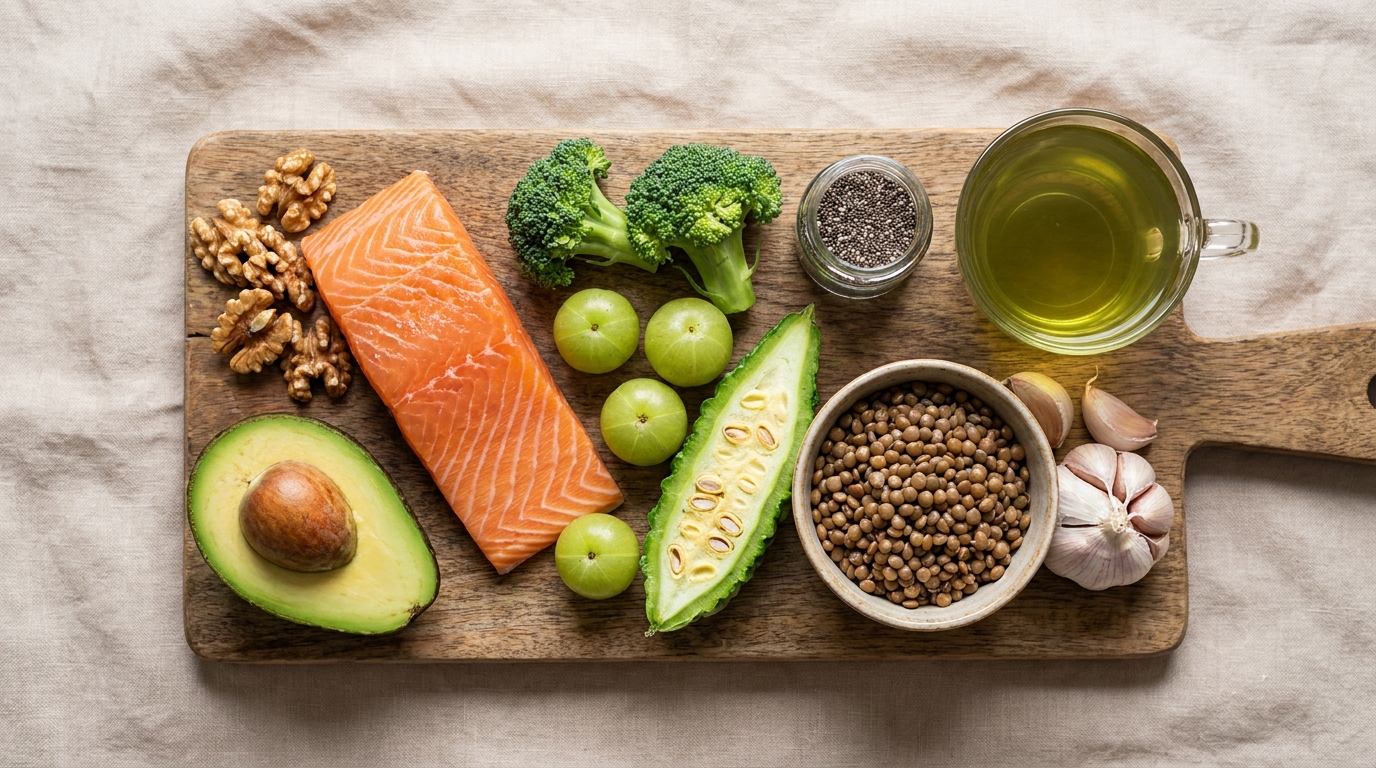
The following foods are not just “low sugar.” Each one has documented mechanisms that include fiber content, antioxidants, anti-inflammatory compounds, or insulin-sensitizing properties that make it actively useful for blood sugar management.
Protein-rich foods
- Fatty fish (salmon, mackerel, sardines)
Omega-3 DHA and EPA reduce cardiovascular risk, which is disproportionately high in diabetics. Regular consumption also supports body weight and blood pressure management. - Eggs
Improve insulin sensitivity, reduce inflammation, and raise HDL cholesterol. A 2020 study showed that 12 eggs per week over 4 weeks lowered blood pressure in adults with prediabetes. - Greek yogurt
6–8g carbs per serving versus 15–17g in regular yogurt. Conjugated linoleic acid (CLA) content supports weight management. - Tempeh
A fermented soy product native to Southeast Asia, tempeh is rich in plant protein and probiotics. Fermentation reduces phytic acid, improving mineral absorption. Safe for most IBS sufferers, unlike plain tofu.
Fiber-rich vegetables
- Leafy greens (spinach, kale, kangkung)
Virtually zero digestible carbs. High in Vitamin C, which a 2021 meta-analysis linked to improved glycemic control in Type 2 diabetes. - Broccoli
Contains glucosinolates converted by the body to sulforaphane, a compound shown to reduce blood glucose in preclinical studies. - Bitter melon
Used in traditional Asian medicine for centuries and now backed by studies showing its active compounds (charantin, polypeptide-p) mimic insulin activity and improve glucose uptake. - Moringa
One of the most nutrient-dense plants on earth. Rich in isothiocyanates, it has shown blood-glucose-lowering effects in multiple small human trials. Read vegan protein contains moringa
Healthy fats
- Avocado
Less than 1g of sugar, high fiber, and a unique fat molecule (avocatin B) that may improve insulin sensitivity at the cellular level. - Nuts (walnuts, almonds, pistachios)
A 2019 study of 16,000 participants with Type 2 diabetes found that tree nut consumption lowered cardiovascular disease risk and mortality. - Extra-virgin olive oil
- Oleic acid improves glycemic management and reduces fasting triglycerides. Polyphenols protect blood vessel linings, a critical benefit given that diabetics’ elevated stroke risk.
- Flaxseeds (biji rami)
Lignans reduce heart disease risk; 25 clinical trials showed that whole flaxseed supplementation significantly lowered blood glucose.
Low-GI grains and legumes
- Lentils and beans
Low GI, rich in magnesium and potassium. A study of 3,000 high-cardiovascular-risk adults found higher legume consumption correlated with a lower incidence of Type 2 diabetes. - Oats
Beta-glucan fiber forms a gel in the gut, slowing glucose absorption. Steel-cut oats outperform instant varieties on GI. - Brown rice
Significantly better than white rice at stabilizing post-meal blood sugar, per a 2018 systematic review. Cooling cooked brown rice further increases its resistant starch content. Read why the brown rice and Pea protein combination is a superior protein - Sorghum (sorgum)
A staple grain across Southeast Asia and Africa, sorghum has a GI of 62 and is rich in antioxidant polyphenols not found in wheat or rice.
Functional herbs and spices
- Garlic
A meta-analysis of randomized controlled trials found that garlic supplementation improved both blood glucose management and cholesterol regulation. - Fenugreek (klabet)
Soluble fiber (galactomannan) in fenugreek seeds slows carbohydrate digestion. Multiple studies show significant reductions in fasting and postprandial glucose. - Cinnamon
Improves insulin sensitivity and has been shown to lower fasting blood sugar in people with Type 2 diabetes when used consistently. - Amla (Indian gooseberry)
Among the richest natural sources of vitamin C. Documented effects on HbA1c reduction and postprandial glucose control. Read more on this here
How You Cook Matters: Tips That Lower Glycemic Impact
The same food, cooked differently, can have a meaningfully different effect on blood sugar. This is one of the most overlooked practical tools in diabetes nutrition.
- Cool your cooked rice and pasta. When starch cools after cooking, it forms resistant starch, a fiber-like structure that the body cannot fully digest. Reheated cooled rice has a measurably lower GI than freshly cooked hot rice. Eating rice at room temperature or from the fridge is a legitimate blood sugar management strategy.
- Steam or roast vegetables instead of boiling. Prolonged boiling breaks down fiber structure and raises the effective GI of vegetables like carrots and beets.
- Cook pasta al dente. Overcooked pasta breaks down to glucose faster. The firm, slightly chewy texture slows digestion.
- Use the whole food, not the juice. Blending removes nothing. A whole orange has a GL of ~5. Orange juice has a GL nearly three times higher.
- Add acid (vinegar or lemon juice) to meals. Apple cider vinegar before meals has been shown to reduce postprandial glucose spikes by up to 20%.
Can Supplements Help Diabetics? What to Look for and What to Avoid
Supplements are not a replacement for whole foods. But the right protein supplement fills gaps that are genuinely hard to address through diet alone
One ingredient to actively avoid: maltodextrin. It is a highly processed starch filler added to many protein powders and supplements. Its GI is higher than table sugar, between 85 and 105. For a diabetic, it triggers significant blood sugar spikes that completely negate any protein benefit.
Koshnutra Whey Isolate: High-quality protein built for metabolic health
This is not a standard gym supplement. It was specifically formulated with diabetic and geriatric users in mind, and the ingredient list shows it.
- 27g protein per serving: high protein intake supports muscle preservation (sarcopenia is accelerated in diabetics), reduces appetite, and blunts postprandial glucose spikes.
- 3g HMB (beta-hydroxy beta-methylbutyrate): HMB prevents muscle protein breakdown, which is particularly important for older diabetic patients and those with reduced physical activity.
- 5g BCAA branched-chain amino acids support muscle recovery and prevent fatigue after exercise, which is the most powerful non-pharmacological tool for insulin resistance.
- Chromium potentiates insulin action by enhancing the binding of insulin to cell receptors. Deficiency is common in Type 2 diabetes. Most protein powders do not include it.
- Omega-3 fatty acids are included at a level that supports the cardiovascular protection research cited above. No other added sugars. Zero maltodextrin. Coffee flavor.
- Inulin fiber, a prebiotic that feeds beneficial gut bacteria, supports bowel regularity and has been associated with improved glycemic outcomes in clinical trials.
- Added vitamins and minerals address the micronutrient deficiencies (Vitamin D, B-complex, and Magnesium) that are disproportionately common in diabetics, particularly those on metformin.
Ideal for: Diabetic patients, geriatric individuals, gym enthusiasts managing blood sugar, and menopausal women with metabolic concerns.
Check the product here
Koshnutra Vegan Protein: Plant-based and safe for diabetes conditions
Many diabetics also live with IBS, thyroid conditions, or gluten sensitivity. Standard whey fails them. This formulation does not.
- Pea protein isolate + brown rice protein — a complementary amino acid combination that matches whey’s profile for muscle protein synthesis, without the dairy load.
- Moringa — one of the few supplements with documented blood-glucose-lowering effects in human trials. Here it is part of a whole-food protein blend, not an isolated extract.
- Fenugreek fiber (galactomannan) — the same soluble fiber discussed in the food section. Slows carbohydrate digestion, reduces postprandial glucose, and improves HbA1c over time.
- Guar gum — viscous soluble fiber. Shown to reduce blood glucose after eating and improve heart disease risk factors in people with diabetes and metabolic syndrome.
- Grape seed extract — potent antioxidant (OPCs) that reduces oxidative stress and inflammation, both of which are elevated in chronic diabetes.
- Digestive enzyme blend — supports breakdown of plant proteins, reducing the bloating that sometimes accompanies legume-based powders. Critical for IBS and IBD patients.
- Garcinia and Mangosteen — traditional metabolic support compounds used in Southeast Asian herbal medicine, now supported by limited but promising clinical evidence for weight management and metabolic health.
- Soya-free, gluten-free, maltodextrin-free. 100% plant-based. Chocolate hazelnut flavour.
Ideal for: Vegans, vegetarians, those with IBS, IBD, celiac disease, thyroid conditions, or anyone avoiding dairy.
Check the product here
Koshnutra AmlaCare Powder: Amla and giloy for insulin resistance and gut health
If there is one supplement that maps almost perfectly onto the specific needs of a diabetic, it is this one. Each ingredient targets a different but interconnected pathway.
- Amla extract (Indian gooseberry) — one of the densest natural sources of Vitamin C. Clinical studies have documented its ability to reduce fasting blood glucose, improve HbA1c, and reduce postprandial glucose spikes. Its antioxidant capacity rivals pharmaceutical-grade Vitamin C supplements, but with the co-factors of a whole food.
- Giloy extract (Tinospora cordifolia) — an Ayurvedic adaptogen with documented immunomodulatory and anti-inflammatory effects. Chronic low-grade inflammation is a driver of insulin resistance; giloy addresses this at a root cause level.
- Grape seed extract — oxidative stress damages pancreatic beta cells over time. This antioxidant directly protects the insulin-secreting cells most vulnerable in Type 2 diabetes progression.
- Resistant dextrin — a prebiotic fiber that feeds Bifidobacterium and Lactobacillus species in the gut. The gut-diabetes connection (covered in the next section) makes this more than a digestive aid.
- Guar gum — the same viscous fiber present in the Vegan Protein, included here to support consistent glycemic response after meals.
Ideal for: Individuals managing insulin resistance, PCOS/PCOD, fatty liver (NAFLD, which co-occurs with Type 2 diabetes in over 50% of cases), gut discomfort, and weight gain related to hormonal or metabolic imbalance.
Check the product here
| Product | Best for | Key diabetic-friendly ingredients | Who should use it |
| Whey Isolate True Strength | Muscle support, blood sugar control, metabolic health | Chromium, HMB, BCAA, Omega-3, Inulin, no sugar | Diabetics, geriatric, active adults |
| Vegan Protein | Plant-based, gut-sensitive, thyroid-safe protein | Fenugreek fiber, Moringa, Guar gum, Digestive enzymes | Vegans, IBS/IBD, celiac, thyroid conditions |
| AmlaCare Powder | Insulin resistance, gut health, immunity, PCOS | Amla (HbA1c), Giloy (inflammation), Resistant dextrin | Insulin resistant, PCOS, fatty liver, metabolic syndrome |
Takeaway: Building Your Diabetes-Friendly Diet
No one food controls blood sugar. What works is a consistent pattern of whole foods, adequate protein, fiber at every meal, minimal processed carbohydrates and the right micronutrient support.
None of the foods in this guide are exotic, or expensive. Most of them are already used in the Asian and Indonesian culinary traditions, such as tempeh, bitter melon, moringa, lentils, garlic and amla. The chance is to eat more of them, more intentionally.
If diet alone leaves gaps for adequate protein to preserve muscle, chromium to support insulin function, and prebiotic fiber for gut health, a clean, maltodextrin-free supplement from a brand like Koshnutra can fill those gaps.
We are Koshnutra, a local supplement brand specializing in clean, high-quality nutrition. We offer a wide range of supplements suitable for those with PCOS, diabetes, and sensitive digestion, as well as seniors. Explore our products here
Scientific References
1. Khan SU et al. (2021). Effect of omega-3 fatty acids on cardiovascular outcomes — PMC.
8. Wang J et al. (2017). Garlic supplement in management of Type 2 diabetes — PMC.
10. Xia M et al. (2022). Olive oil consumption and cardiovascular disease risk — PMC.
13. Yari Z et al. (2016). Fenugreek fiber on glycemic control — Journal of Functional Foods.
14. Papier K et al. (2021). Meat consumption and risk of 25 common conditions — BMC Medicine.
15. Feng Y et al. (2022). Dairy products and Type 2 diabetes risk — PMC.


