


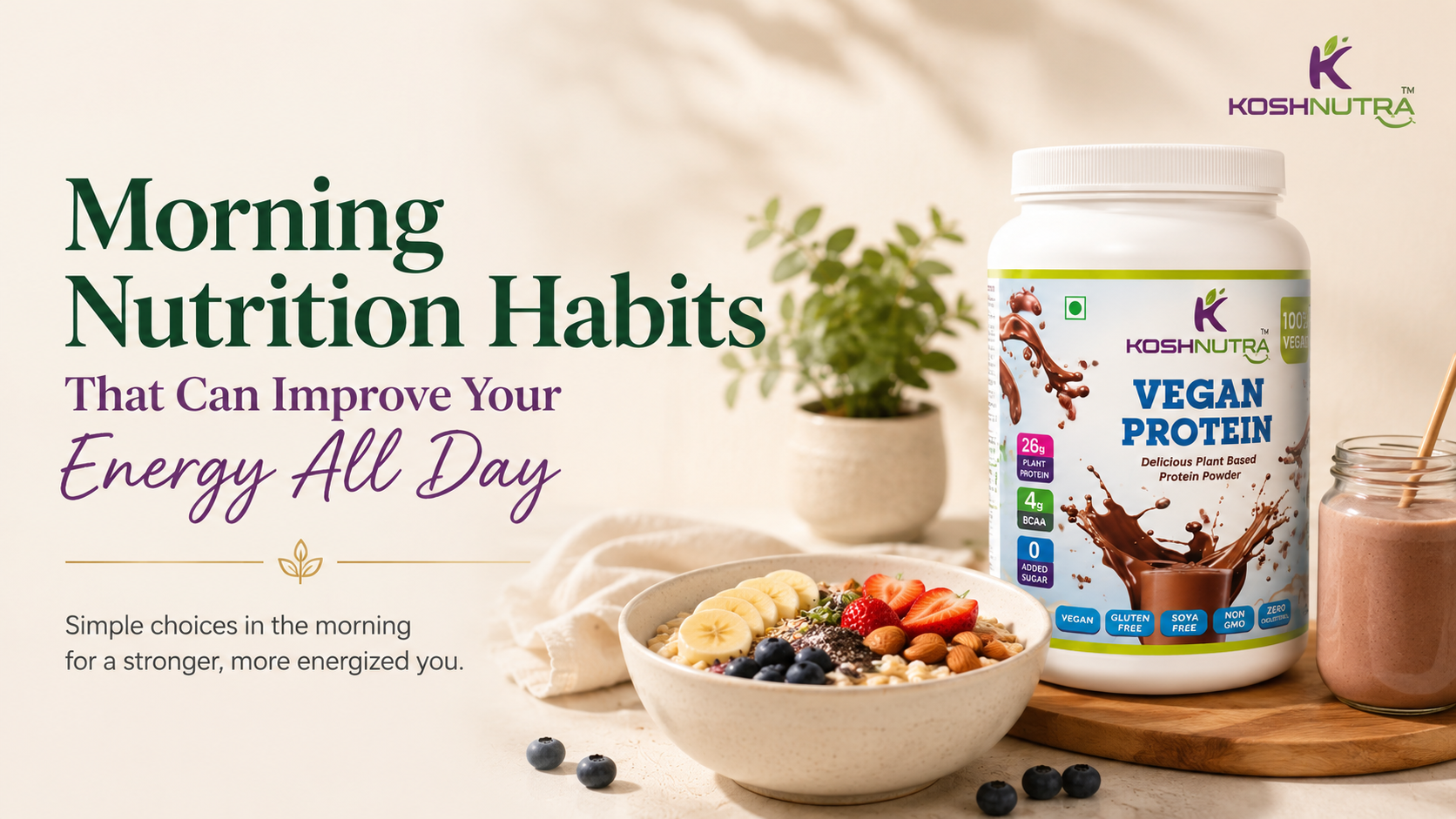
Small Morning Habits That Can Make a Big Difference
We’ve all had mornings where we wake up feeling ready to take on the day, only to find ourselves reaching for another cup of coffee by mid-morning. While lack of sleep is often the first thing we blame, our morning eating habits can have just as much influence on how energetic we feel throughout the day.
The food you choose after waking up becomes your body’s first source of fuel after hours without eating. Making a few thoughtful choices in the morning can help you stay focused, avoid energy crashes, and feel satisfied until your next meal.Here are five simple habits worth adding to your morning routine.
- Don’t Forget Protein
Protein often gets associated with athletes and gym goers, but the truth is, everyone needs it. After a night’s sleep, your body benefits from protein to help maintain muscles, support normal body functions, and keep you feeling fuller for longer. A breakfast that includes protein is also less likely to leave you searching for snacks an hour later.
Good options include eggs, Greek yogurt, tofu, nuts, seeds, or legumes. If your mornings are always rushed, a protein shake can be a practical way to help meet your daily protein intake without spending extra time in the kitchen.
- Start Your Day with Water
Before reaching for your morning coffee, try having a glass of water first. Your body naturally loses fluids overnight, and even mild dehydration can leave you feeling sluggish or make it harder to concentrate. Drinking water after waking up is a simple habit that helps your body feel refreshed before the day begins. Coffee can certainly be part of a healthy routine, but starting with water gives your body what it needs first.
- Choose Foods That Keep You Going
Breakfast doesn’t have to be complicated, but it should keep you satisfied. Instead of relying on sugary cereals, pastries, or white bread that provide a quick burst of energy followed by a crash, choose foods that release energy more steadily. Whole-grain toast, oats, fruit, and sweet potatoes paired with a source of protein are simple combinations that can help you feel energized for longer.
- Add Some Colour to Your Plate
One of the easiest ways to improve your breakfast is by adding fruit or vegetables. Fresh berries, bananas, spinach, tomatoes, or avocado not only make your meal more nutritious but also provide vitamins, minerals, antioxidants, and fibre that support your overall well-being. It doesn’t have to be perfect small additions made consistently are what matter most.
- Keep It Simple and Consistent
Healthy eating isn’t about creating a picture perfect breakfast every single day. It’s about building habits you can realistically stick to. Some mornings you may have time to prepare a full meal, while other days you may only have a few minutes before heading out the door. That’s completely normal. The goal is simply to include a source of protein, some fibre rich carbohydrates, and enough fluids whenever possible. Over time, these small choices can make a noticeable difference in how you feel.
A Balanced Morning Can Set the Tone for Your Day
There’s no single “perfect” breakfast, but there is value in giving your body the nutrients it needs to start the day well. A simple meal that combines protein, whole foods, and proper hydration can help support steady energy, better concentration, and a greater sense of fullness throughout the morning. For people with busy lifestyles, convenient options such as a quality protein supplement can also be part of a balanced diet when whole food meals aren’t always possible. At the end of the day, feeling your best isn’t about following strict rules it’s about creating small, sustainable habits that work for you. Your mornings don’t have to be perfect; they just need to be nourishing enough to help you take on whatever the day brings.
Disclaimer: This article is for educational purposes only and should not be considered medical or dietary advice. Individual nutritional needs vary depending on age, activity level, health conditions, and personal goals. If you have specific health concerns, consult a qualified healthcare professional or registered dietitian before making changes to your diet.


